
Project SPICES LLC
In the Media
Global Leader + Artist/Entertainer + Author + Researcher + And More
Dr. Sarai Koo is inimitable and a "force to be reckoned."
WELCOME

Actress
Sarai is an actress, writer, producer, and director. Although she does not dedicate all her time to the industry, she occasionally appears in commercials, interviews, TV shows and movies
Leader
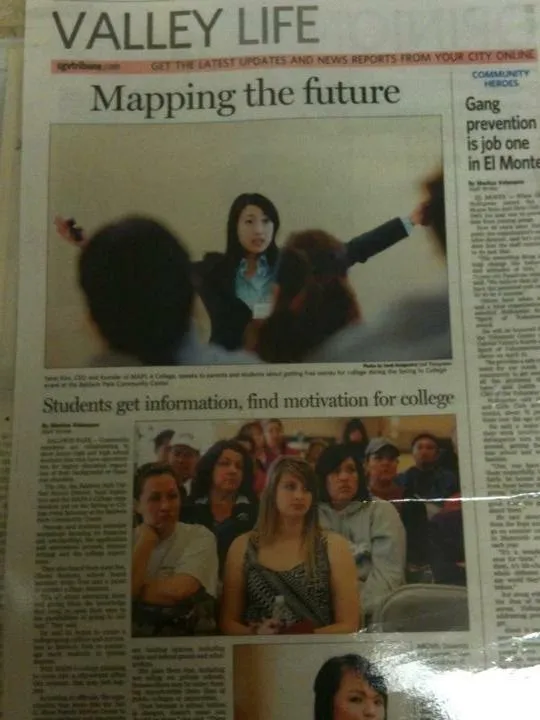
Dr. Sarai Koo has appeared in local, national and global media due to her professional background.

Author and Reseacher
Dr. Sarai Koo is dedicated to making significant impact. Witness her influence on individuals, companies, and cities. through her publications. Explore the breadth and depth of her contributions.
As Seen On

















small ripples can have a big impact
WHY US

Real Impact
We create meaningful, transformative impacts in people's lives. We focus on changing people from within.

Lasting Change
When some training programs offer only temporary outcomes, our work delivers lasting, sustainable change.

Realistic Challenge
Change is inevitable. When we challenge people, we ensure that it is both demanding and achievable.

Effective Leadership Development
As global leadership facilitators with real C-Suite experience, we possess the insights needed to help leaders at all levels be effective and create a lasting impact.
Powerful Messaging
We seamlessly integrate diverse disciplines and evidence-based messages, creating a powerful delivery that genuinely drives significant impact..

Effective Coaching Modalities
Opting for a single coaching approach is limiting. At Project SPICES, we offer a transformative combination that a brings the most impact.
ABOUT US
We a Problem-Solvers Who Make an Impact.
Dr. Sarai Koo is a dynamic speaker, coach, advisor, entrepreneur, and consultant who has impacted thousands of lives from the inside out.
If you are looking to enhance your life and improve your company culture with humor, power, and charm, connect with Project SPICES.
"WHAT ARE YOU LIVING FOR"
Podcast in a Car
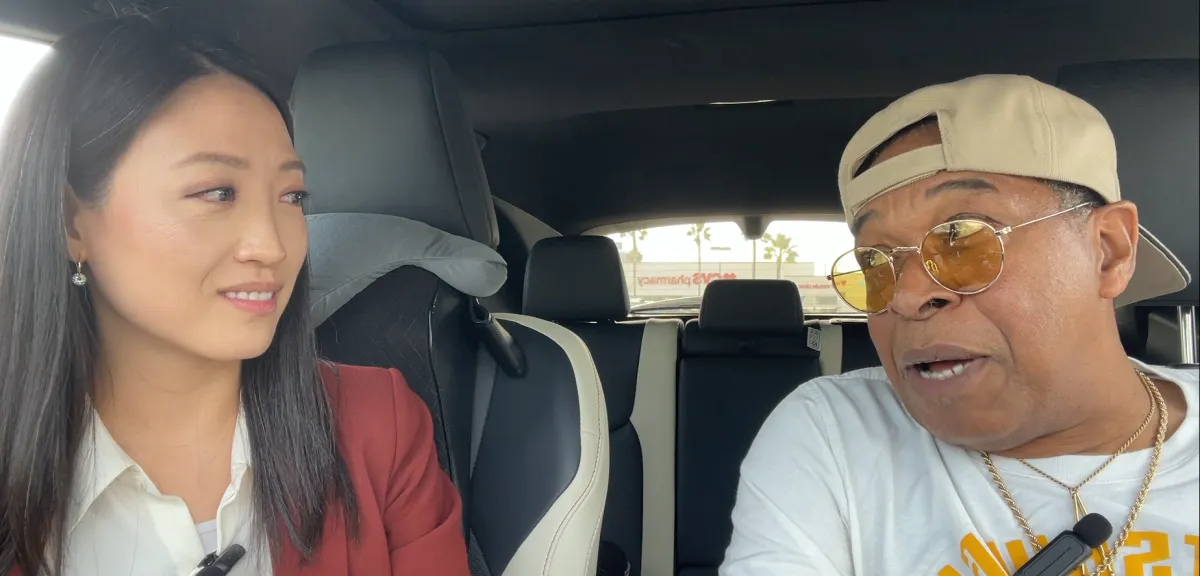
Henry Garner Jr.
Drummer, Rose Royce
Henry has played the drums with Rose Royce for 30+ years. He shares who he is, what he is living for and more.

Michael Barrett
Content/Joyful with Stage 4 Cancer
Michael shares his life story and how his life became transformed. He is content and joyful despite having stage 4 cancer right now. He says he is blessed.
College Process Expert
Interview Directors of Admission
Dr. Koo interviewed Rick Shaw, Dean of Admission and Financial Aid, Stanford University

The world we see

Dr. Koo interviewed Deans of Admission from Brown University, Stanford University, and more
Global Leader & Facilitator
Always in Delivering the Best
Using our integrated approach, Dynamic Interplay™, we ensure that our
content is the best and profoundly impactful, leading to life-changing
transformations.
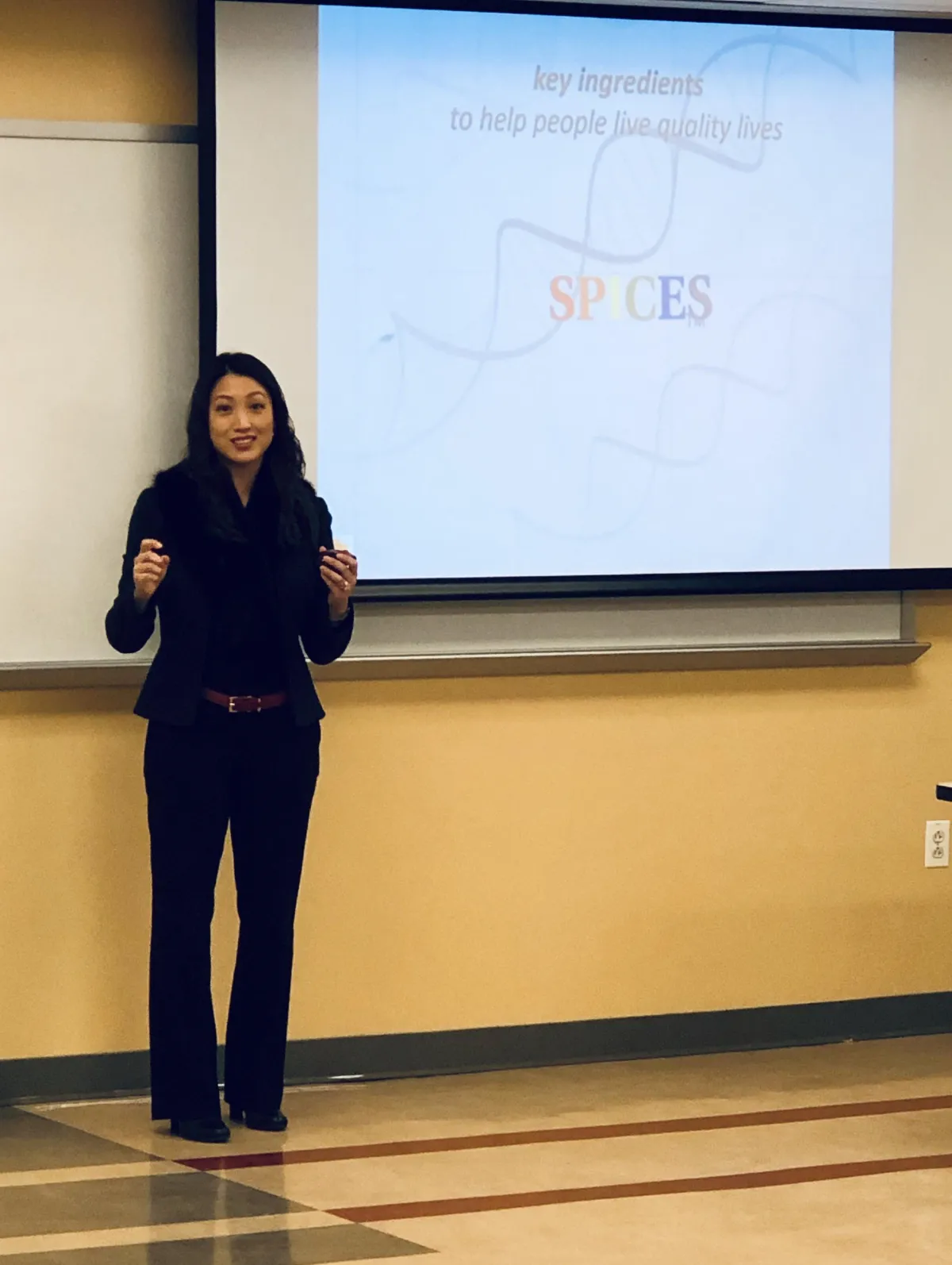
Powerful Art and Science of Delivery

Training does not have to be boring and superficial. We specialize in crafting messages that are impactful and humorous, while delving dep into the core of people's souls and spirits.

WE ARE ALL UNIQUE
OUR GALLERY

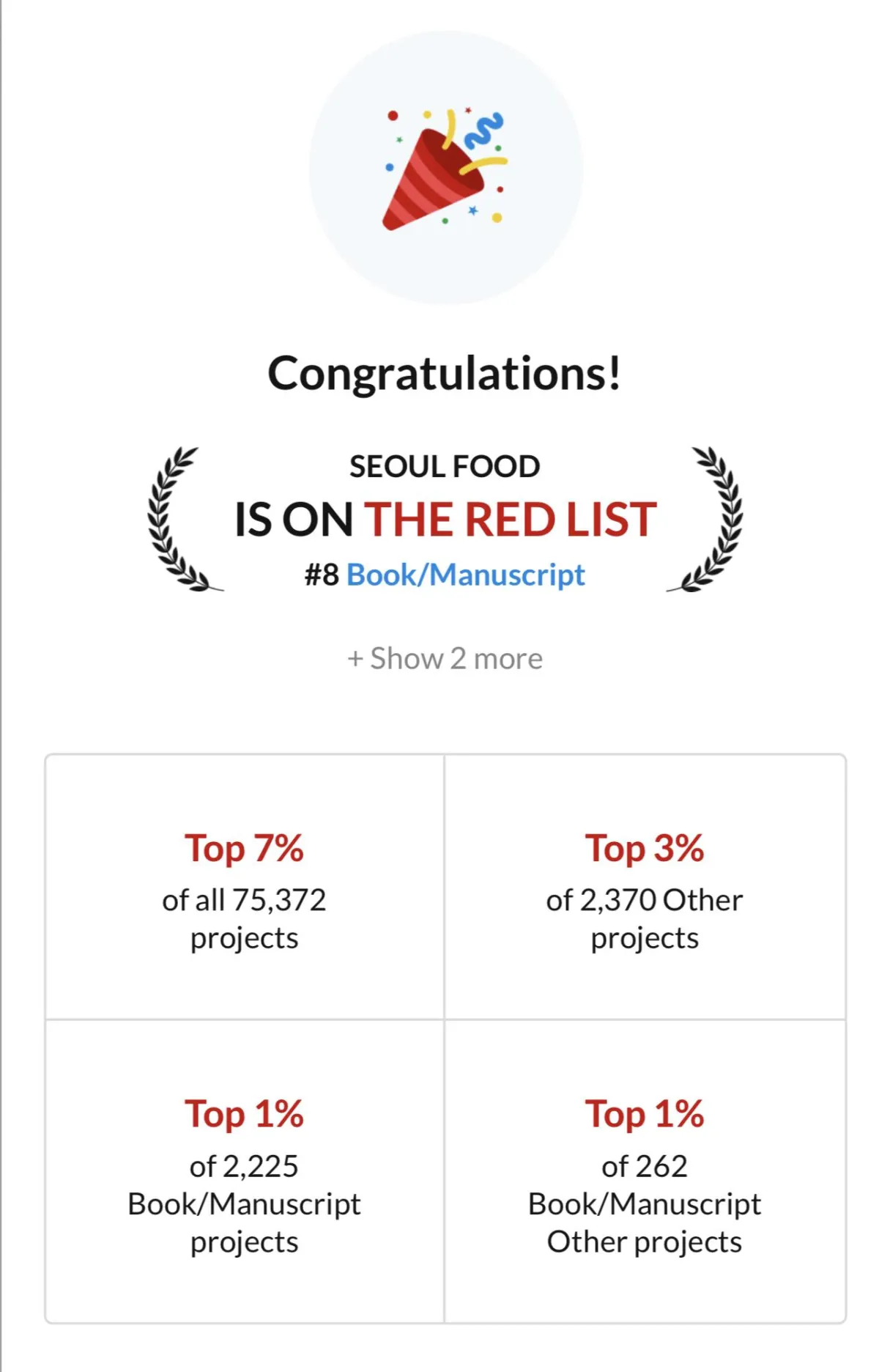
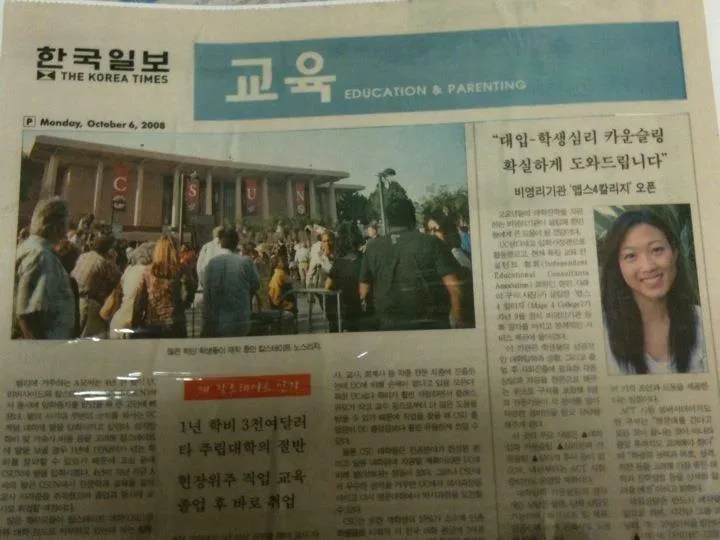
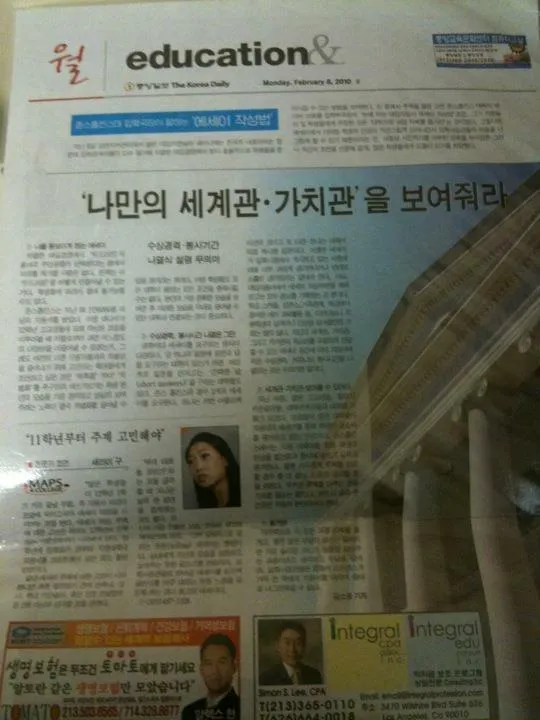
Appeared in the Korea Times multiple times
Dr. Koo shares her non-fiction book Seoul Food and expert information about the college admissions process
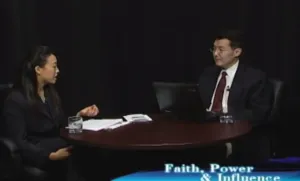
Appeared on Faith, Power, and Influence, Channel 668
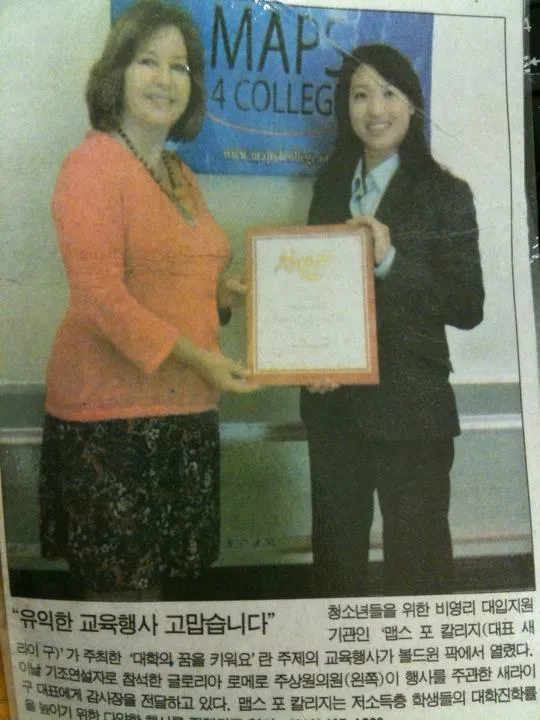
Dr. Koo shares her experience as the CEO and Founder of MAPS 4 College

Appeared on Halo Halo, Channel 13
The largest entertainment and lifestyle television show for Asian/Asian Pacific Americans
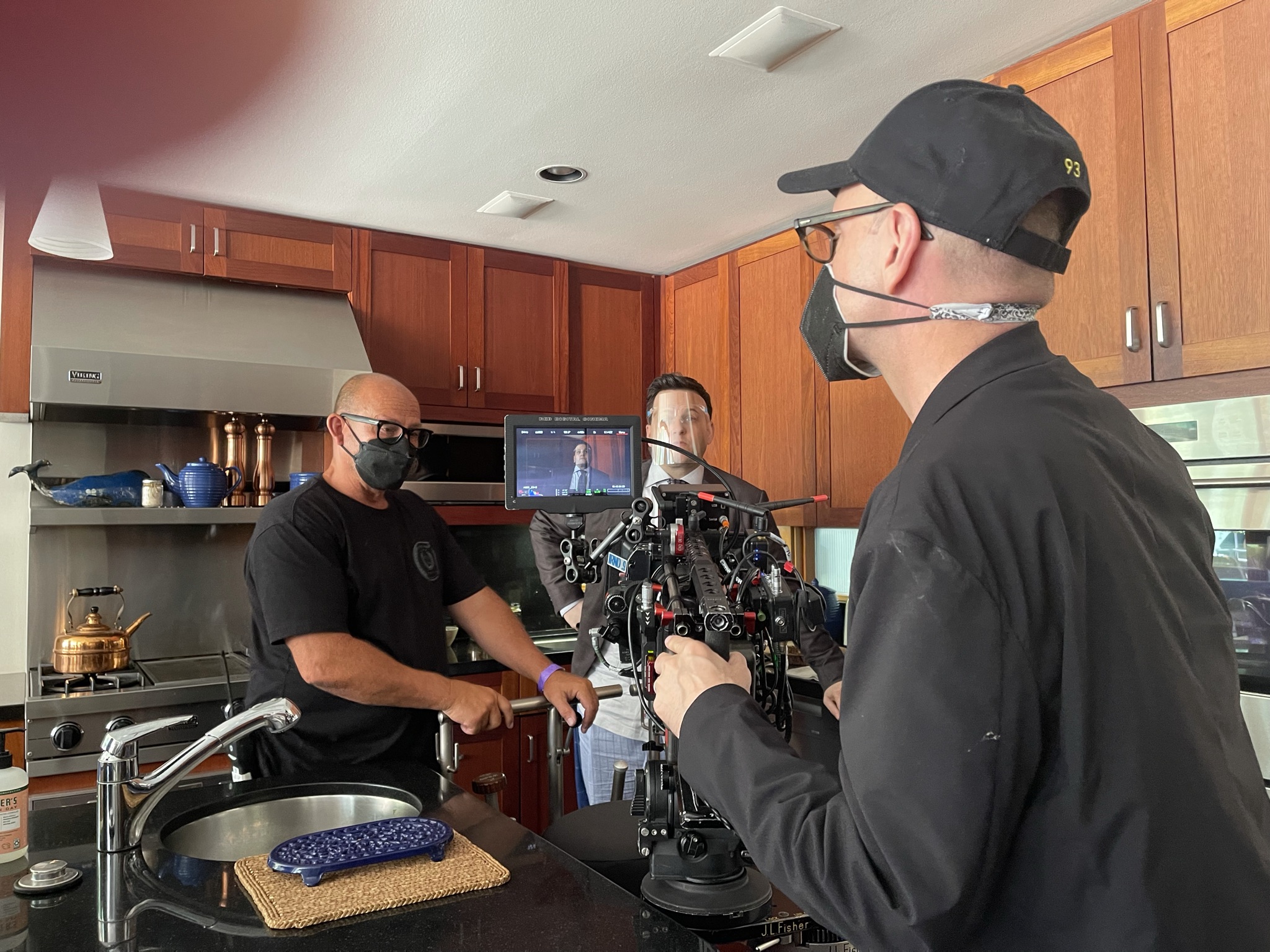
Appeared on Director Steven Soderbergh's movie, Kimi

Former CEO Dr. Koo hosted the 3rd Annual College Fair

Sarai stars as Jenny Chu in the short film Mandarins

Appeared in the Korea Daily multiple times, mostly on the front page
Dr. Koo was a DJ on Where People Make a Difference Radio Station (nominated #1 radio station in America, intercollegiate)

Dr. Koo as the engineer who created the Hyundai Robotaxi (global commericals)
Making Ripples that Last

Seoul Food

Speaking Engagements
Dr. Sarai Koo has been on various stages.

Entertainment Projects
IMDb

Mandarins
Best Dramatic Short at the 2023 New Hampshire Film Festival
Dr. Sarai Koo plays Jenny Chu.
This film is about an emotional and compulsive black sheep Olivia Chu who reunites with her estranged family by crashing her mother's funeral. Determined to say something but ill-prepared, Olivia unintentionally delivers an offbeat eulogy that sends her two dutiful older siblings, Jenny and Michael, scrambling to save face in front of friends and family. Competing eulogies ensue, painting a larger picture of each of the siblings in relationship to each other and the complex woman they've come together to honor that day.

Sarai as Jessica Hasling
Sarai appeared on Kimi, directed by Steven Soderbergh, as Jessica Hasling.

Hyundai Global Commercials
Dr. Koo is featured as the Dr./Scientist who created the Hyundai Robotaxi.
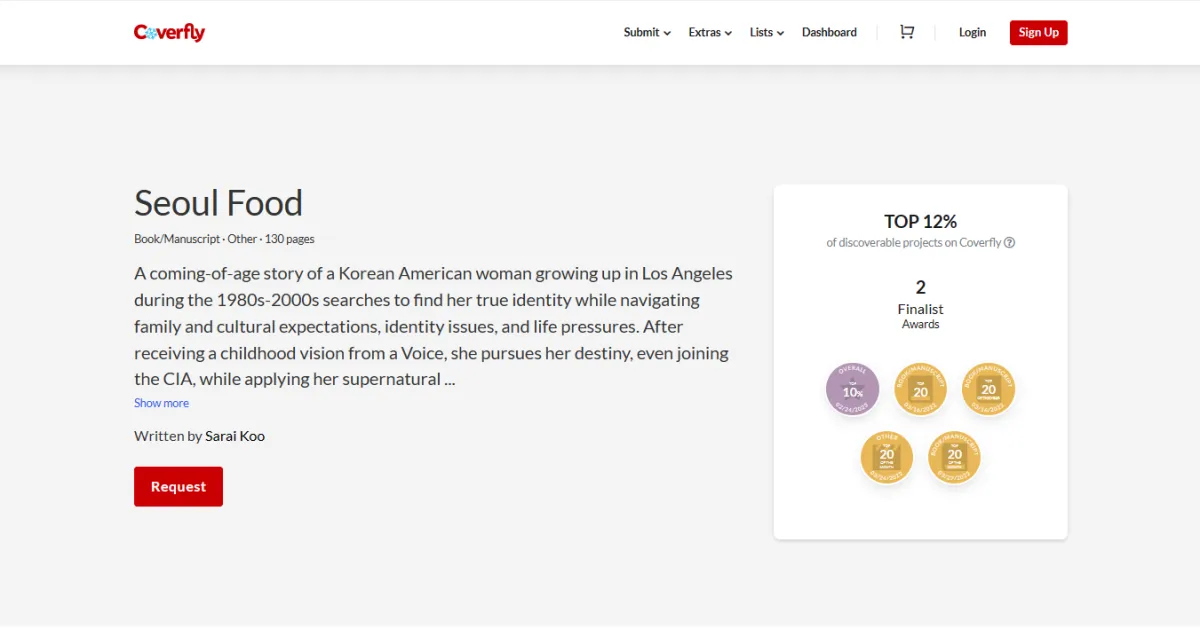
Top 10, Launch Pad Prose Competition 5th Annual
Quarterfinalist, ScreenCraft Cinematic Book Competition 2022
International/National Article Appearances
맘 속 가시 없애야 행복해져
Gather valuable information on choosing schools and scholarships
학교공부 충실, ACT 응시가 유리
Diligent school studies, advantageous to take the ACT
대학, 입학 후 수업 따라가기 쉽지 않네
In college, it's not easy to keep up with classes after admission
학교선택·장학금 등 알찬정보 건진다
Gather valuable information on choosing schools and scholarships


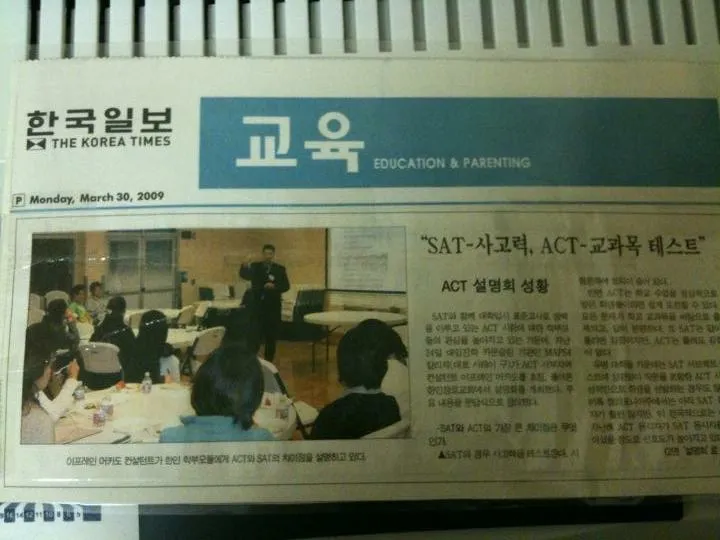

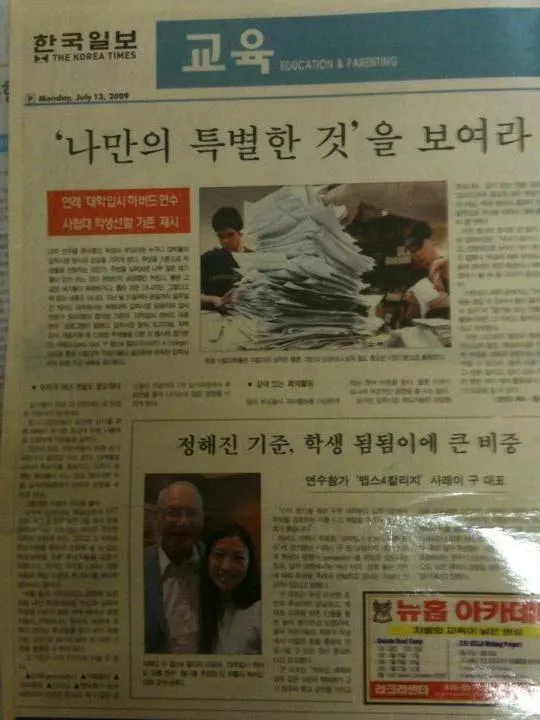
Dr. Koo and Dean Whitla (Harvard)

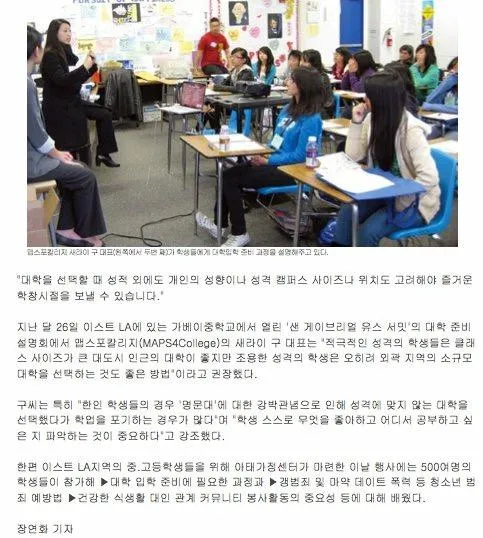
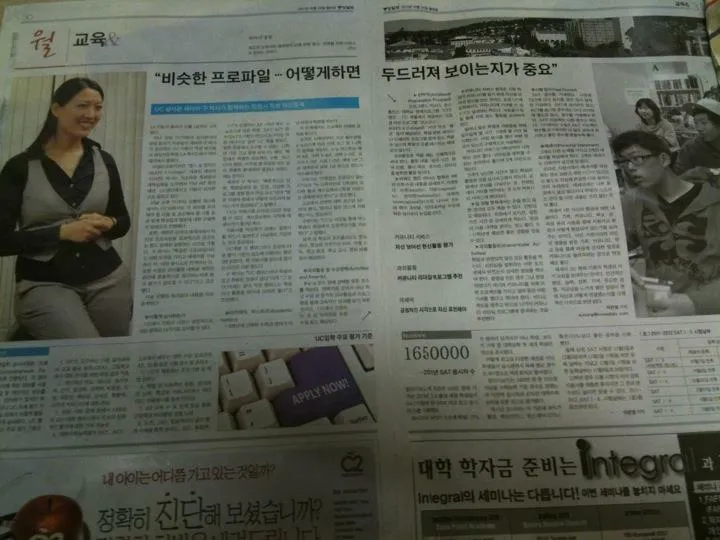
학교선택·장학금 등 알찬정보 건진다
Gather valuable information on choosing schools and scholarships

Radio Seoul Interview
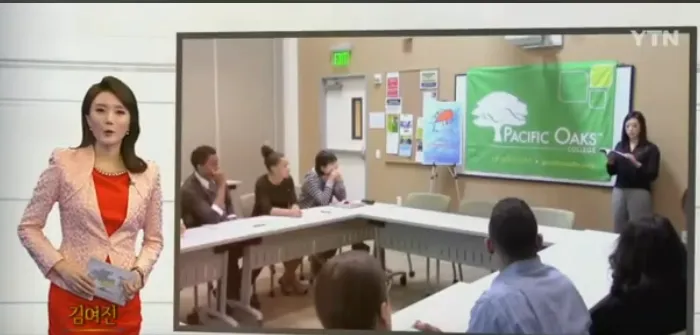
YTN Global News
"I am Bibimbap"
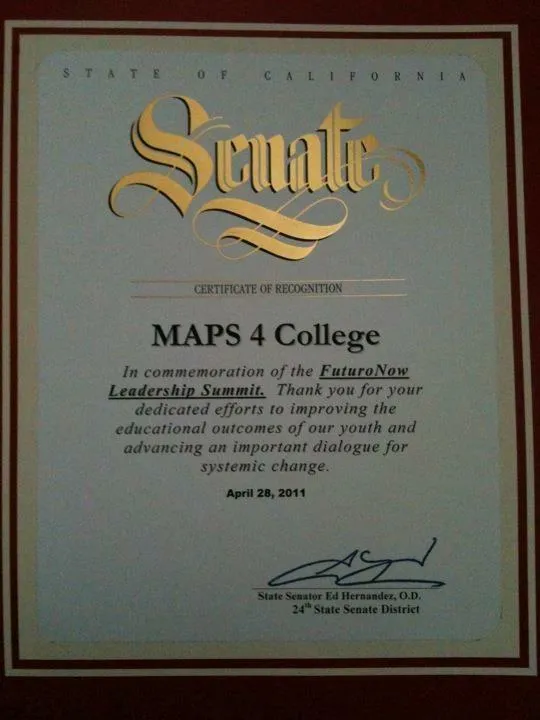
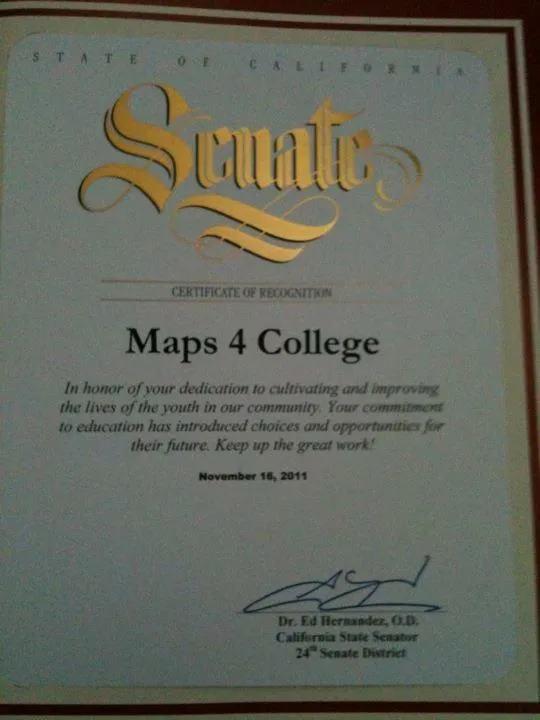
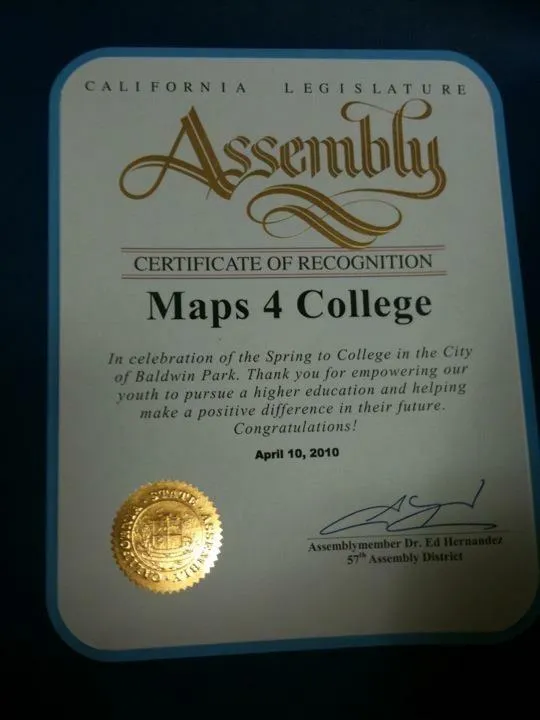
Blogs and Article

Why Strategies Really Fail: It’s Not Incompetence, It’s Misalignment
Why Strategies Really Fail (And What To Do About It)

Why Most Strategy Problems Are Actually Alignment Problems
Most organizations do not fail because their strategy is flawed.
They fail because alignment is.
Strategy rarely breaks down at the level of logic or intelligence. It breaks down at the level of people. Beliefs. Emotions. Relationships. Unspoken resistance.
On paper, many strategies look solid.
Clear goals.
Strong market positioning.
Logical priorities.
Well-designed roadmaps.
And yet, execution stalls.
Deadlines slip.
Initiatives lose momentum.
Leaders nod in meetings, then revert to old habits.
High performers grow frustrated and disengaged.
Over time, organizations quietly normalize the stuckness and assume this is just how things are.
It is not.
It is misalignment inside people and between people.
The Hidden Blockers Inside Strategy Execution
When leaders talk about execution problems, they often jump straight to surface-level fixes.
Better project management.
More accountability.
More training.
Those tools can help, but they rarely address the root issue.
Strategy fails when people feel internally blocked, conflicted, or disconnected from what they are being asked to carry.
Common examples include:
A senior leader who is privately unconvinced about the direction, but publicly agrees and then quietly resists.
A department head who feels overwhelmed and unclear, so decisions are delayed and risk is avoided.
A manager who is afraid to push back, takes on unrealistic commitments, and burns out their team.
Team members who cannot see how their work connects to the larger strategy, so priorities feel arbitrary and draining.
None of this is about competence.
These are alignment and emotional barriers, not capability gaps.
Until they are addressed, even the best strategy will feel like pushing uphill with constant resistance.
Strategy Lives Or Dies In The Human System
Every strategy moves through a human system.
Beliefs.
Emotions.
Power dynamics.
Relationships.
When that system is misaligned, predictable patterns appear.
Mixed messages from leadership as different leaders emphasize different priorities.
Silent resistance where people agree publicly and disengage privately.
Chronic rework because expectations were never truly aligned.
Decision bottlenecks where choices keep getting escalated because people do not feel safe deciding.
These are not character flaws.
They are signals that people do not feel safe telling the truth, emotionally bought into the direction, or able to see themselves in the strategy.
You cannot fix that with another deck.
You fix it by rebuilding alignment from the inside out.
What Fixing Alignment Actually Looks Like
Alignment is not a one-time offsite or a communication exercise. It is a process.
When done well, it includes three critical shifts.
Start With Honest Leadership Alignment
Before cascading strategy, leadership teams must do the internal work first.
That includes naming hidden disagreements about direction, priorities, and trade-offs.
Surfacing unspoken fears related to risk, reputation, or career impact.
Clarifying what success actually requires to change, not just what sounds good.
This creates a shared internal yes, not just intellectual agreement, but emotional commitment.
Translate Strategy Into Real Roles And Decisions
Strategy must then be translated into practical clarity.
Clear decision rights that define who decides what and when.
Specific ownership tied to outcomes, not vague responsibility.
Realistic expectations that identify what must stop or shift to make room for the new.
People cannot align to strategy in the abstract. They need to see what it means for their role, their team, and their daily decisions.
Build Psychological Safety Around Execution
Execution exposes gaps. When people do not feel safe, they hide them.
Alignment work creates space for raising risks early, admitting when something is not working, and challenging assumptions without punishment.
When safety increases, information quality improves.
That is when strategy becomes adaptable instead of brittle.
Signs Your Strategy Is Stuck In Misalignment
If your organization is experiencing the following, alignment is likely the issue.
The strategy sounds strong at the top, but middle managers look confused or skeptical.
Teams are busy, but not focused on the few things that truly matter.
New priorities keep getting added without old ones stopping.
You hear complaints about communication, but the real issue is unresolved leadership misalignment.
These are not execution failures.
They are alignment failures.
From Stuck To Flowing: What Changes With Alignment
When internal alignment improves, the same people with the same tools begin to perform very differently.
Leadership messages become clear and consistent.
Decisions move faster with less escalation.
Friction between teams decreases.
Planning becomes more realistic and execution more reliable.
Ownership and energy increase around strategic priorities.
Strategy starts to flow through the organization instead of getting trapped in resistance, confusion, and fatigue.
A Question For Your Next Leadership Meeting
A powerful place to start is a simple question.
Where does our strategy feel stuck right now.
Follow it with deeper inquiry.
Where are delays or rework repeating.
Where are people privately unconvinced but publicly compliant.
Where do we feel personally hesitant about what we are asking others to do.
The answers will point directly to where alignment work is needed.
How Winning Pathway Supports Strategy That Actually Executes
At Winning Pathway, we help executives and leadership teams work at the level where strategy actually lives.
We diagnose where strategy is getting blocked in the human system.
We realign leaders around direction, roles, and decision-making.
We build cultures where people feel safe, clear, and committed enough to execute.
If your strategy looks strong on paper but is not translating into results, the issue is rarely talent.
It is alignment.
When alignment is restored, strategy finally has a chance to work.
To explore this further, you can follow Dr. Sarai Koo on LinkedIn for insights on leadership under pressure, and watch her content on Dr. Sarai Koo’s YouTube Channel, Instagram, and TikToK for real-world leadership scenarios and practical solutions. You can also subscribe to the LinkedIn Newsletter: Integration Under Pressure for deeper system-level perspectives, and visit Winning Pathway LinkedIn Page and the Leadership Hub Blog to see how regulated, psychologically safe systems translate into measurable business outcomes.