
Project SPICES LLC
In the Media
Global Leader + Artist/Entertainer + Author + Researcher + And More
Dr. Sarai Koo is inimitable and a "force to be reckoned."
WELCOME

Actress
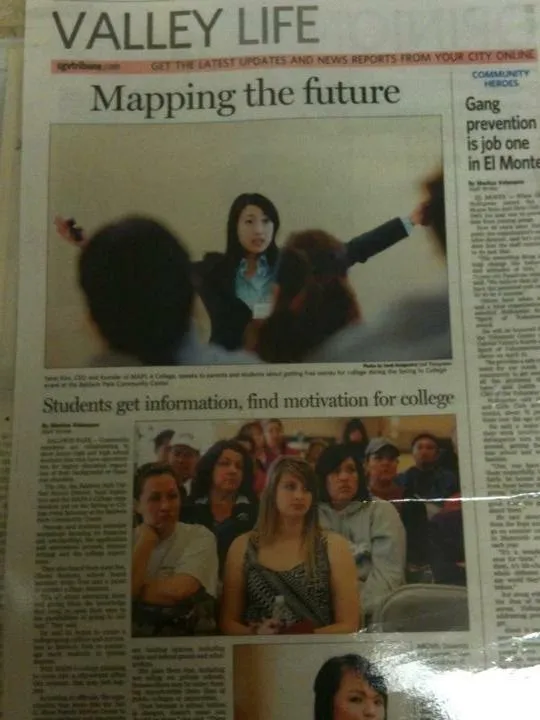
Sarai is an actress, writer, producer, and director. Although she does not dedicate all her time to the industry, she occasionally appears in commercials, interviews, TV shows and movies
Leader
Dr. Sarai Koo has appeared in local, national and global media due to her professional background.

Author and Reseacher
Dr. Sarai Koo is dedicated to making significant impact. Witness her influence on individuals, companies, and cities. through her publications. Explore the breadth and depth of her contributions.
As Seen On

















small ripples can have a big impact
WHY US

Real Impact
We create meaningful, transformative impacts in people's lives. We focus on changing people from within.

Lasting Change
When some training programs offer only temporary outcomes, our work delivers lasting, sustainable change.

Realistic Challenge
Change is inevitable. When we challenge people, we ensure that it is both demanding and achievable.

Effective Leadership Development
As global leadership facilitators with real C-Suite experience, we possess the insights needed to help leaders at all levels be effective and create a lasting impact.
Powerful Messaging
We seamlessly integrate diverse disciplines and evidence-based messages, creating a powerful delivery that genuinely drives significant impact..

Effective Coaching Modalities
Opting for a single coaching approach is limiting. At Project SPICES, we offer a transformative combination that a brings the most impact.
ABOUT US
We a Problem-Solvers Who Make an Impact.
Dr. Sarai Koo is a dynamic speaker, coach, advisor, entrepreneur, and consultant who has impacted thousands of lives from the inside out.
If you are looking to enhance your life and improve your company culture with humor, power, and charm, connect with Project SPICES.
"WHAT ARE YOU LIVING FOR"
Podcast in a Car
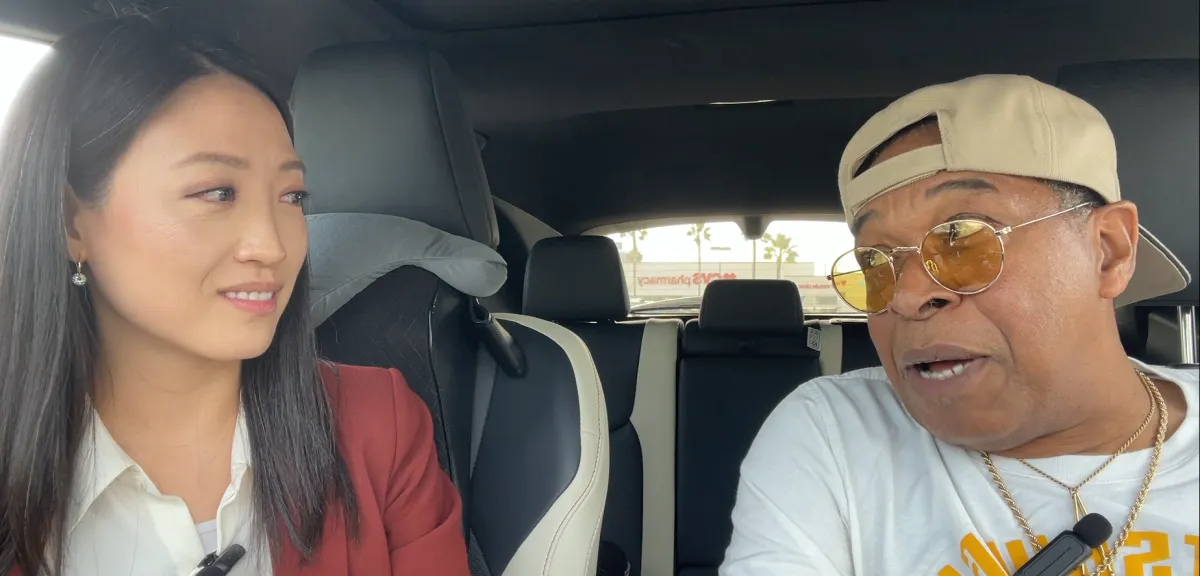
Henry Garner Jr.
Drummer, Rose Royce
Henry has played the drums with Rose Royce for 30+ years. He shares who he is, what he is living for and more.

Michael Barrett
Content/Joyful with Stage 4 Cancer
Michael shares his life story and how his life became transformed. He is content and joyful despite having stage 4 cancer right now. He says he is blessed.
College Process Expert
Interview Directors of Admission
Dr. Koo interviewed Rick Shaw, Dean of Admission and Financial Aid, Stanford University

The world we see

Dr. Koo interviewed Deans of Admission from Brown University, Stanford University, and more
Global Leader & Facilitator
Always in Delivering the Best
Using our integrated approach, Dynamic Interplay™, we ensure that our
content is the best and profoundly impactful, leading to life-changing
transformations.
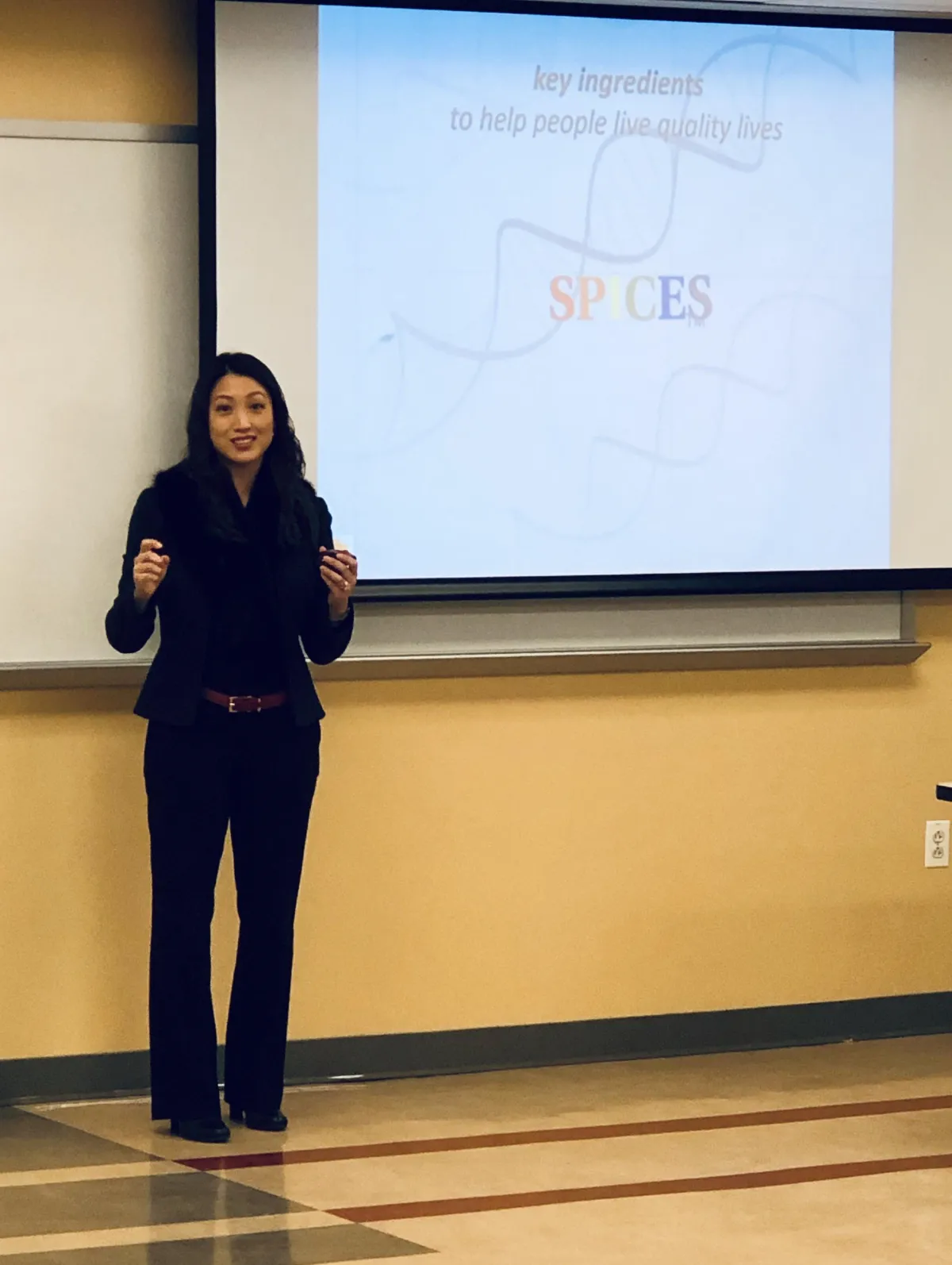
Powerful Art and Science of Delivery

Training does not have to be boring and superficial. We specialize in crafting messages that are impactful and humorous, while delving dep into the core of people's souls and spirits.

WE ARE ALL UNIQUE
OUR GALLERY
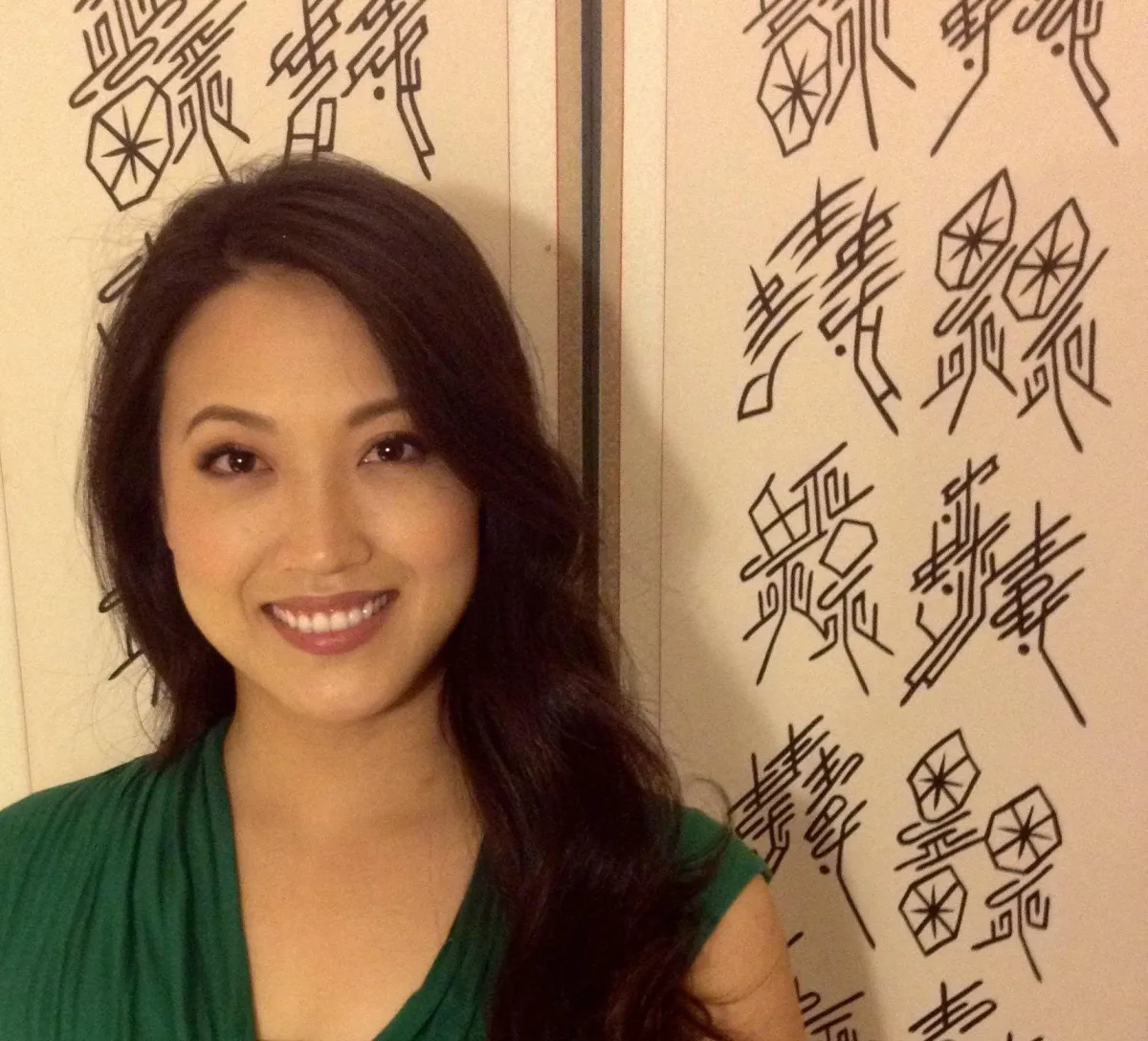
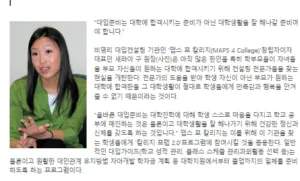
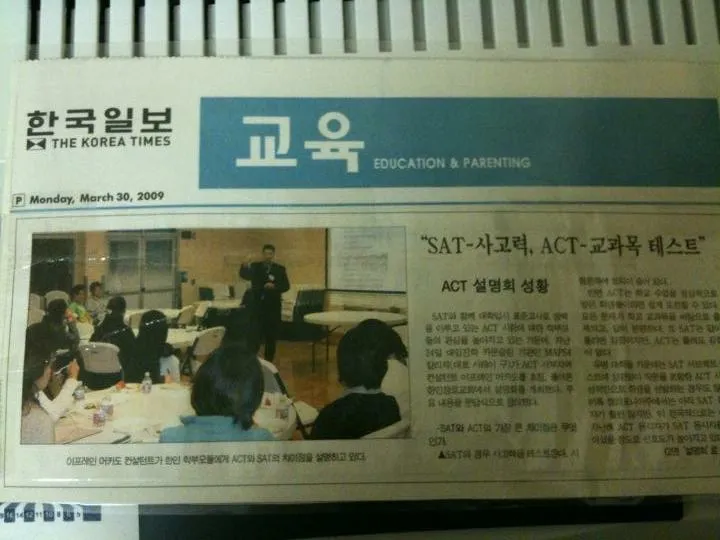
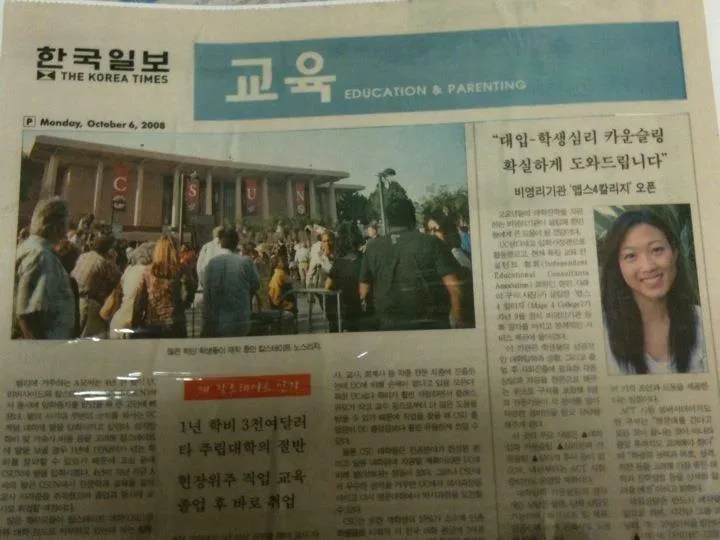
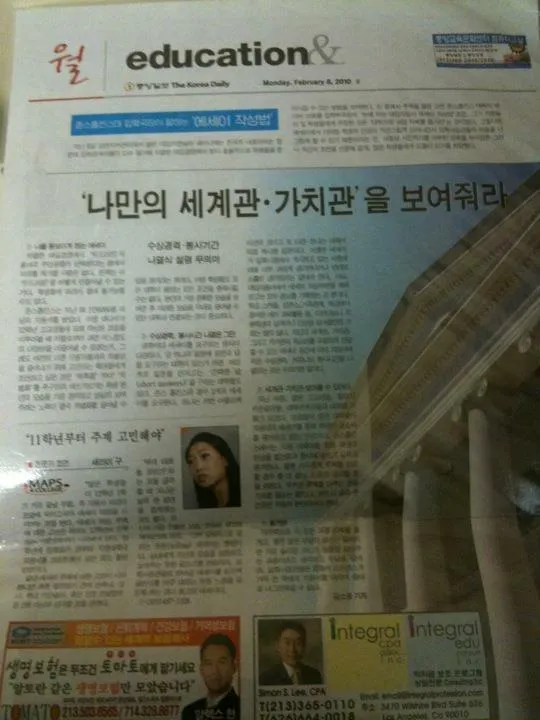
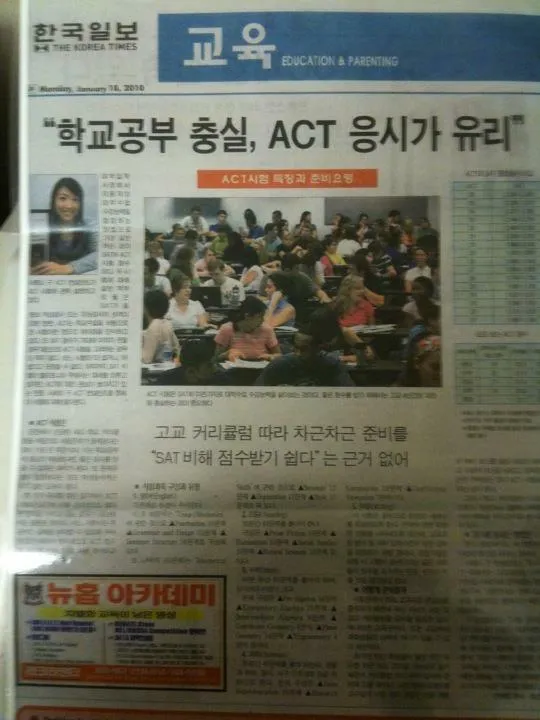
Appeared in the Korea Times multiple times
Dr. Koo shares her non-fiction book Seoul Food and expert information about the college admissions process

Appeared on Faith, Power, and Influence, Channel 668
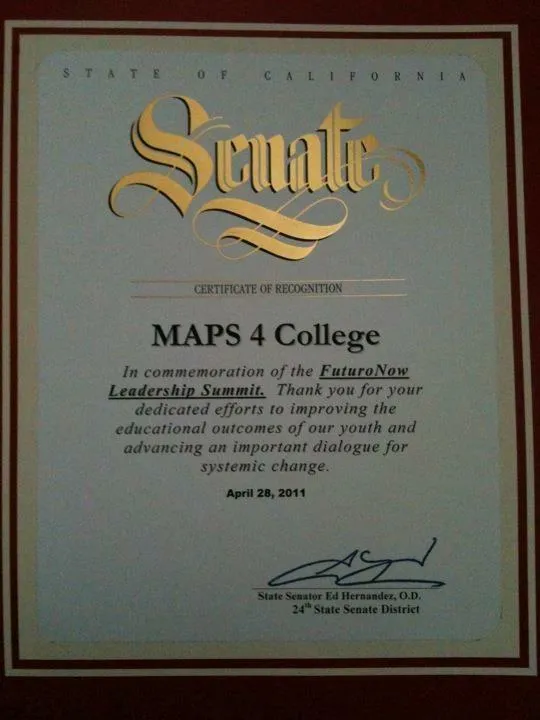
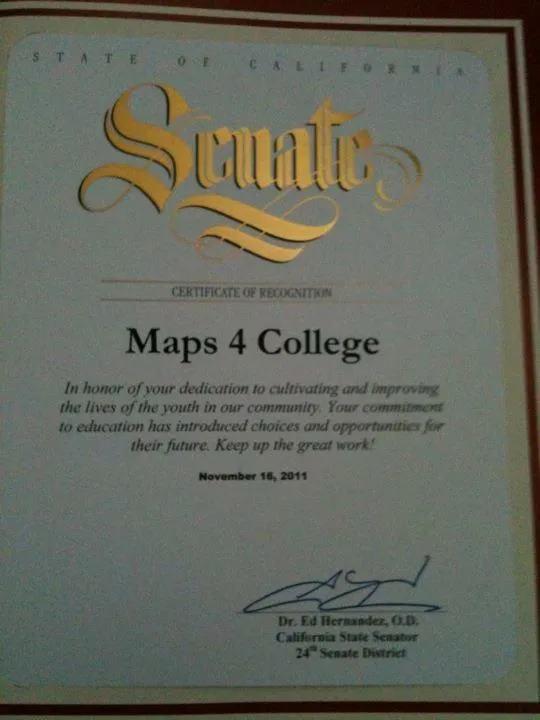
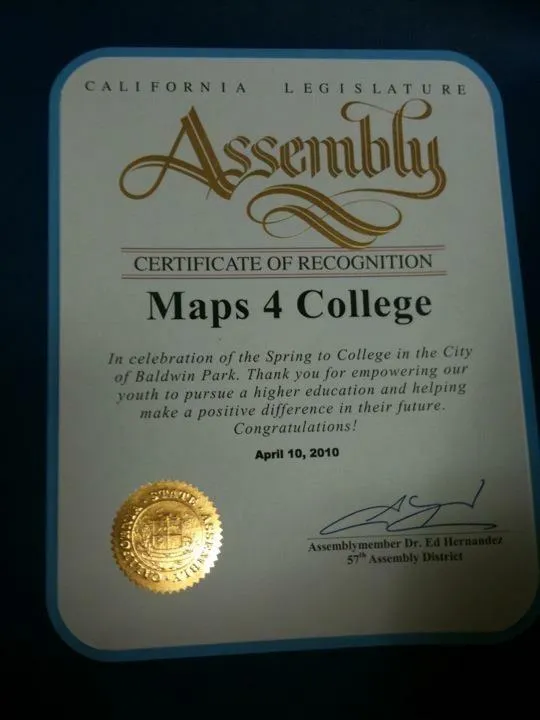
Dr. Koo shares her experience as the CEO and Founder of MAPS 4 College

Appeared on Halo Halo, Channel 13
The largest entertainment and lifestyle television show for Asian/Asian Pacific Americans
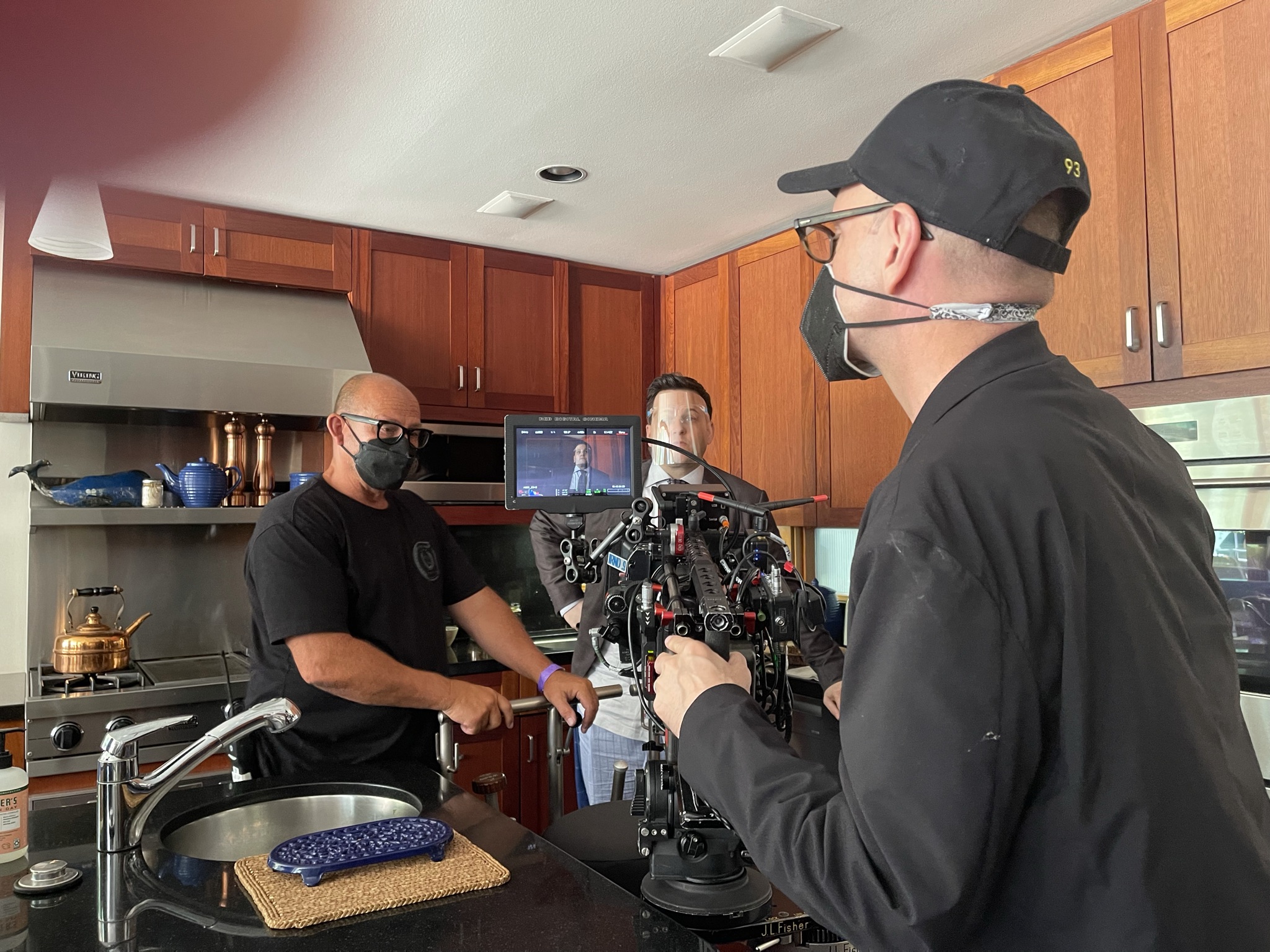
Appeared on Director Steven Soderbergh's movie, Kimi

Former CEO Dr. Koo hosted the 3rd Annual College Fair

Sarai stars as Jenny Chu in the short film Mandarins

Appeared in the Korea Daily multiple times, mostly on the front page
Dr. Koo was a DJ on Where People Make a Difference Radio Station (nominated #1 radio station in America, intercollegiate)
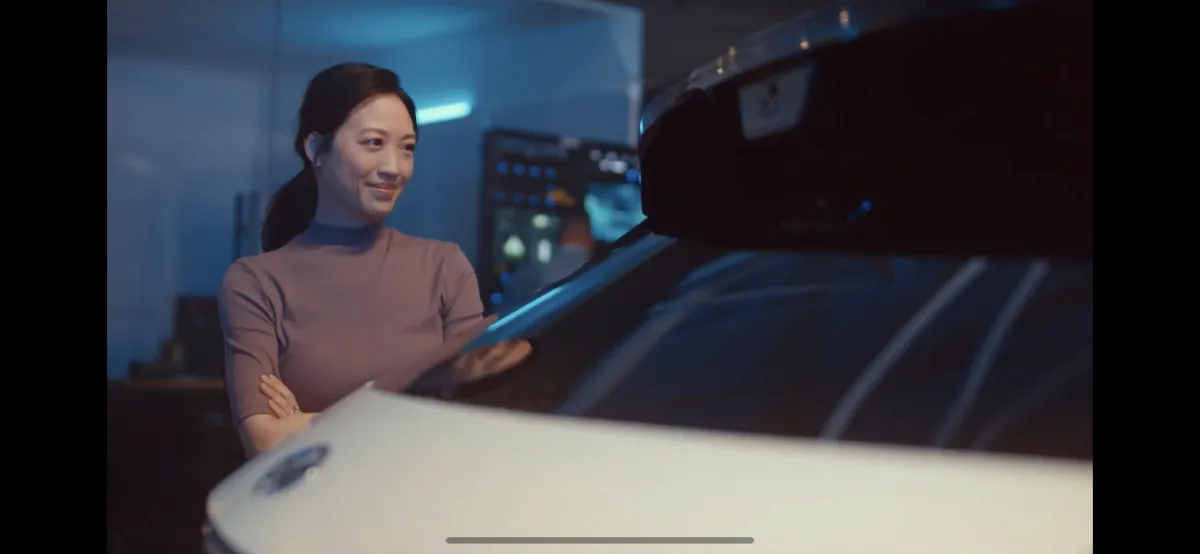
Dr. Koo as the engineer who created the Hyundai Robotaxi (global commericals)
Making Ripples that Last

Seoul Food

Speaking Engagements
Dr. Sarai Koo has been on various stages.

Entertainment Projects
IMDb

Mandarins
Best Dramatic Short at the 2023 New Hampshire Film Festival
Dr. Sarai Koo plays Jenny Chu.
This film is about an emotional and compulsive black sheep Olivia Chu who reunites with her estranged family by crashing her mother's funeral. Determined to say something but ill-prepared, Olivia unintentionally delivers an offbeat eulogy that sends her two dutiful older siblings, Jenny and Michael, scrambling to save face in front of friends and family. Competing eulogies ensue, painting a larger picture of each of the siblings in relationship to each other and the complex woman they've come together to honor that day.

Sarai as Jessica Hasling
Sarai appeared on Kimi, directed by Steven Soderbergh, as Jessica Hasling.
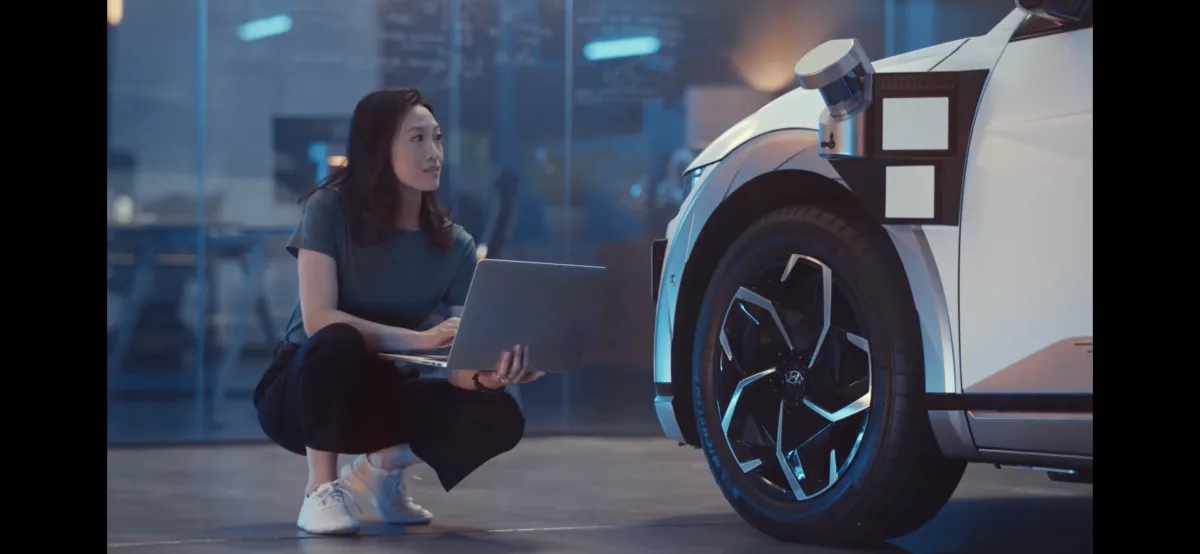
Hyundai Global Commercials
Dr. Koo is featured as the Dr./Scientist who created the Hyundai Robotaxi.
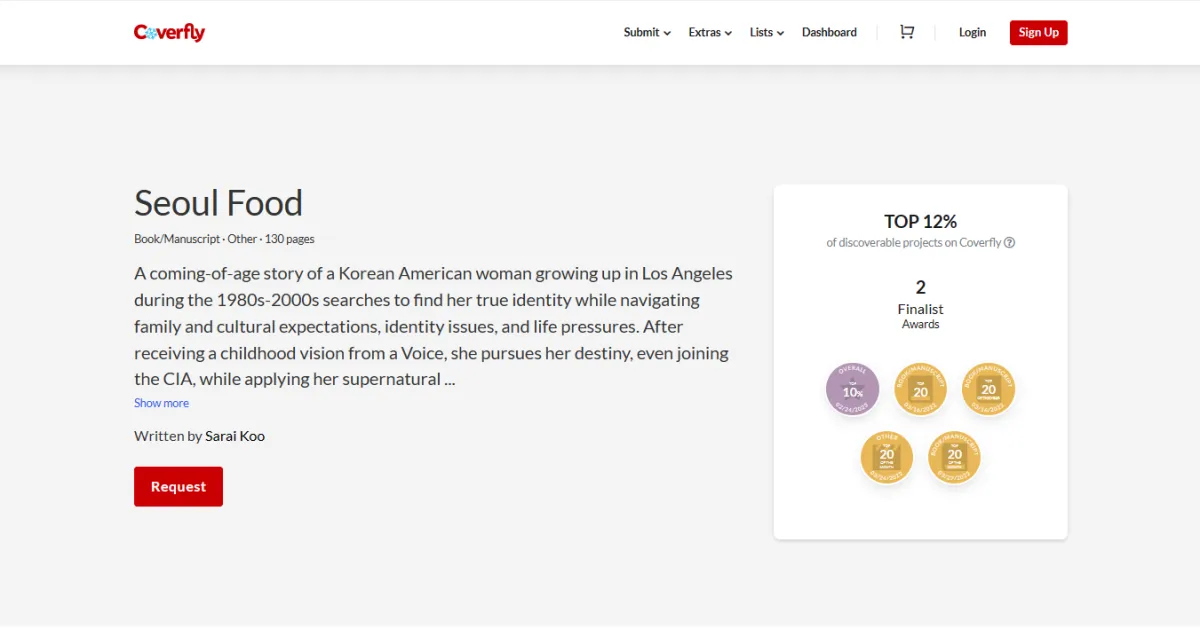
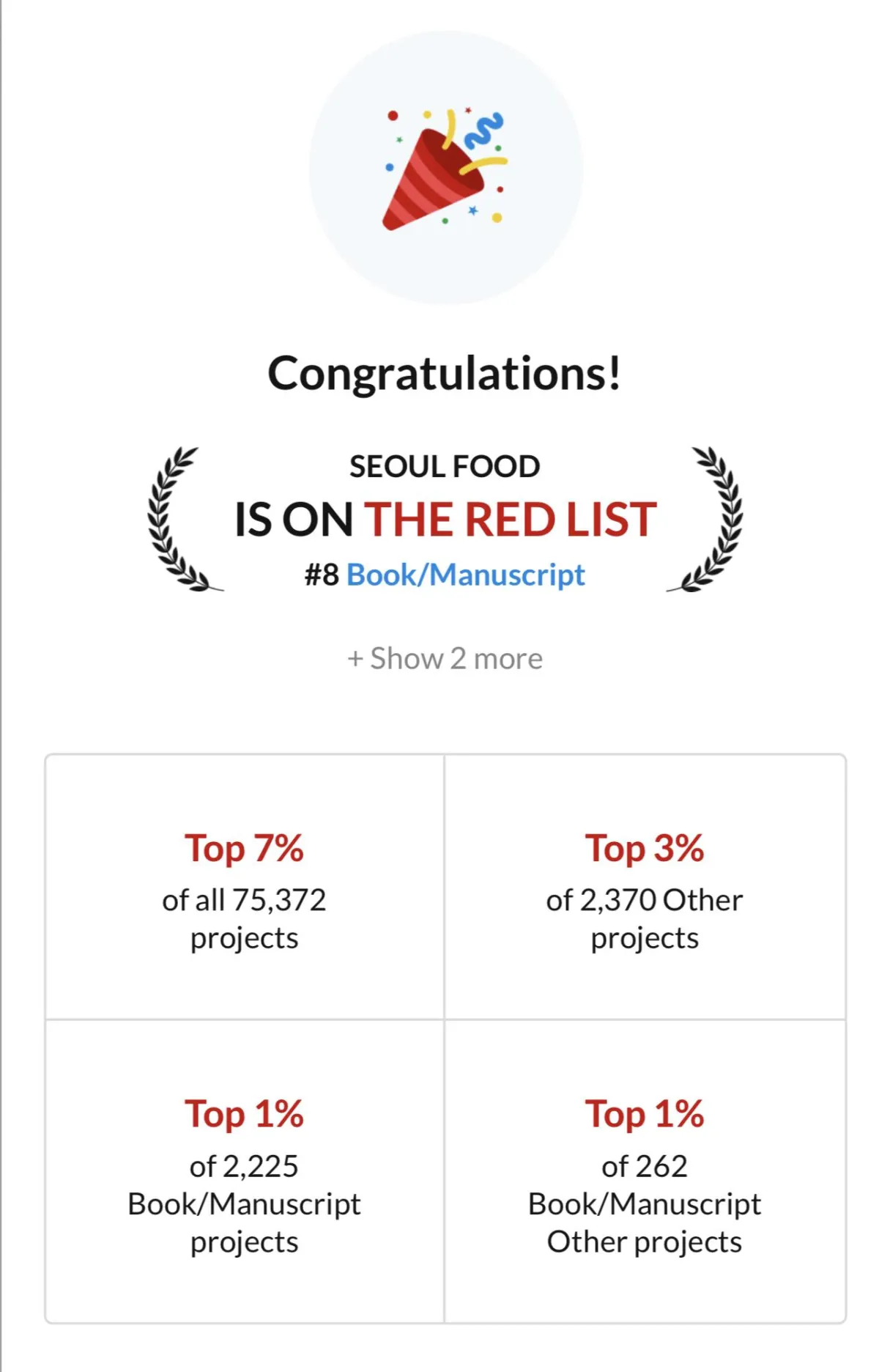
Top 10, Launch Pad Prose Competition 5th Annual
Quarterfinalist, ScreenCraft Cinematic Book Competition 2022
International/National Article Appearances
맘 속 가시 없애야 행복해져
Gather valuable information on choosing schools and scholarships
학교공부 충실, ACT 응시가 유리
Diligent school studies, advantageous to take the ACT
대학, 입학 후 수업 따라가기 쉽지 않네
In college, it's not easy to keep up with classes after admission
학교선택·장학금 등 알찬정보 건진다
Gather valuable information on choosing schools and scholarships

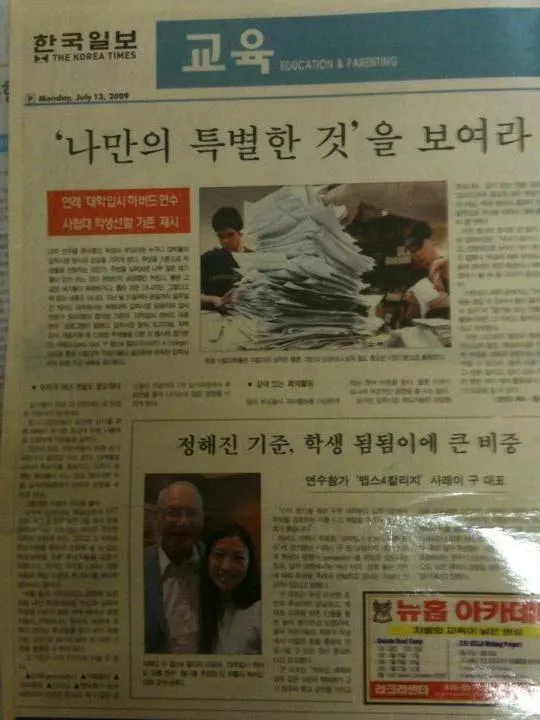
Dr. Koo and Dean Whitla (Harvard)

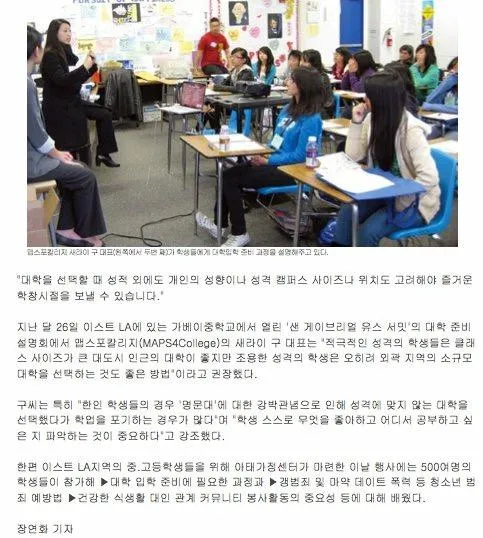
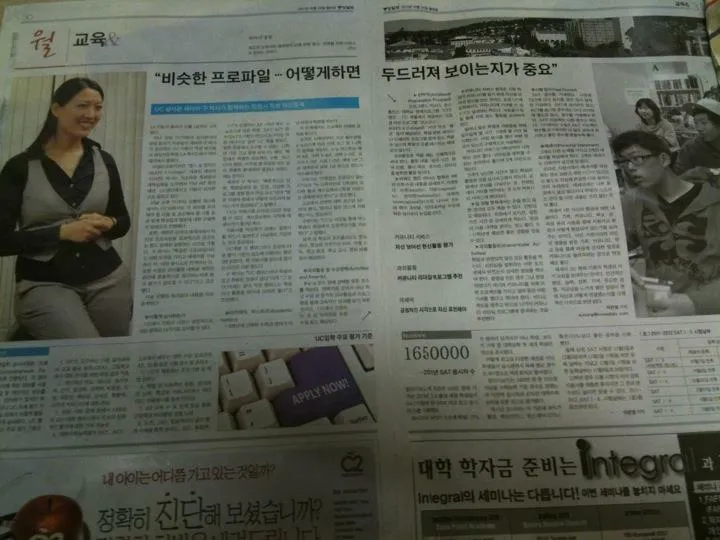
학교선택·장학금 등 알찬정보 건진다
Gather valuable information on choosing schools and scholarships

Radio Seoul Interview
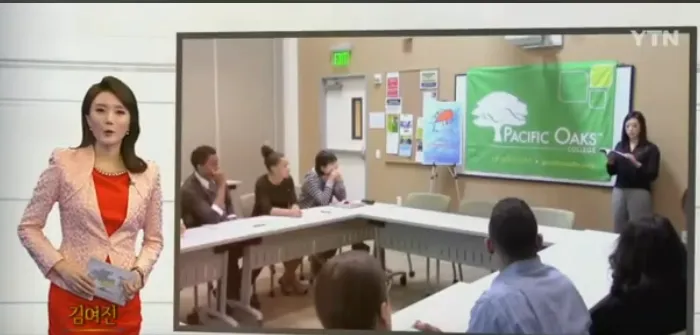
YTN Global News
"I am Bibimbap"
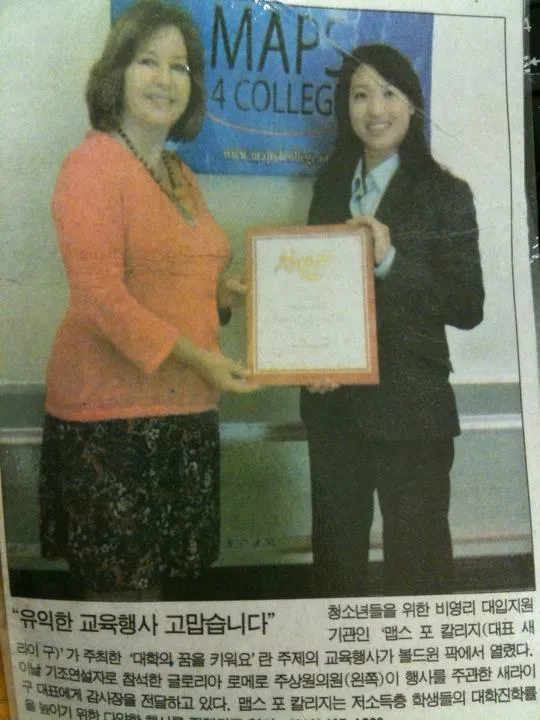
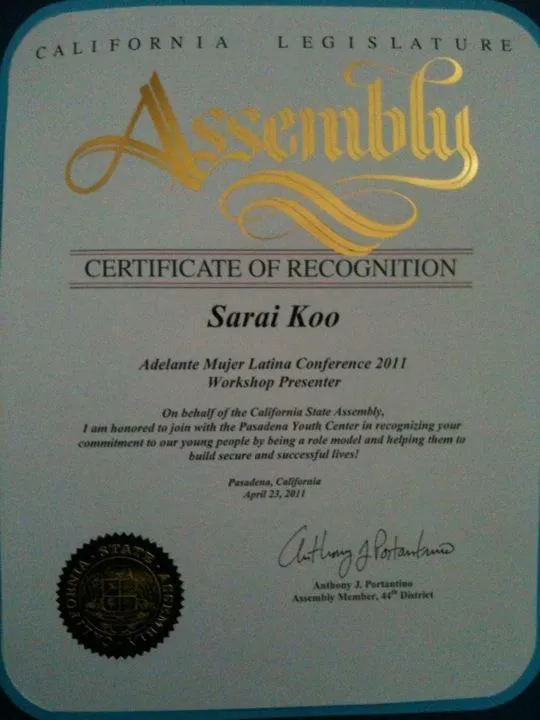
Blogs and Article

Why Your Discipline Collapses At 3 PM (And How High Performers Fix It)
Why Your Discipline Collapses At 3 PM (And How High Performers Fix It)

Why Afternoon Discipline Is a State Management Issue, Not A Motivation Problem
It is easy to tell yourself a story about the afternoon crash. You start strong in the morning, move through your most important tasks, and feel like the day is under control. Then, somewhere around 3 PM, discipline slips. Focus fades. You reach for your phone, open another tab, or stall on work that matters.
Most people call this laziness, distraction, or a motivation problem.
It is not.
Your discipline is not disappearing at 3 PM. Your mental operating system is shifting.
What Actually Happens to Your Brain in the Afternoon
In the first part of the day, your brain is usually operating in a performance state. Focus is easier. Structure feels natural. Decisions take less effort.
As the day progresses, cognitive load accumulates—micro decisions. Emotional strain. Background stress. All of it stacks quietly.
By mid-afternoon, the brain often transitions from performance mode to a mild survival state. In that state, the priority shifts from progress to relief. The system is no longer asking how to advance. It is asking how to get through the rest of the day with the least perceived effort.
That shift has nothing to do with character. It has everything to do with the state.
Why Willpower Stops Working After Lunch
Discipline does not collapse because you are weak. It collapses because your brain is overloaded and has not been taught how to reset.
High performers often respond by applying more pressure. More self-criticism. More caffeine. That can create a temporary spike, but it does not produce sustainable consistency.
If you want discipline to remain steady throughout the day, you do not need more willpower. You need better state management.
Upgrade One: Stop Expecting Morning Momentum To Last All Day
Morning momentum has a lifespan. The energy and clarity you have at 9 AM are not designed to carry you to the evening automatically.
Treating the afternoon as a continuation of the same state sets you up for frustration.
Instead, build an intentional afternoon reset. This could be a short walk, a few minutes of breathing, a glass of water with a screen break, or a brief review of priorities.
The ritual itself matters less than the signal it sends. You are telling your system that a new focused block is beginning, not that you are dragging the morning across the finish line.
Upgrade Two: Use A Four Minute Recalibration
When you feel yourself slipping into avoidance or scattered behavior, do not negotiate internally.
Stand up. Change your environment. Create one small, undeniable win.
That might mean clearing part of your workspace, sending one important message, or completing the first two minutes of a task you have been avoiding.
Your brain associates progress with possibility. Even a small, clean win can reset that association faster than trying to reason back into focus.
Upgrade Three: Lower Cognitive Friction After Noon
Decision fatigue hits harder in the second half of the day. Complex choices, vague tasks, and open-ended projects feel heavier after lunch than they did in the morning.
Simplify what good performance looks like in the afternoon.
Make the following actions concrete and easy to start. Decide in advance what success means for the afternoon block so your overloaded system is not trying to design and execute at the same time.
Clean rules reduce internal friction. Reduced friction supports consistency.
The Identity Shift That Changes Afternoon Discipline
Underneath all of this is an identity reframe.
You are not someone who falls apart at 3 PM. You are someone learning to manage energy with the same precision you have historically applied to effort.
Afternoon discipline is less about forcing yourself to care and more about understanding how your internal state changes throughout the day.
When you design around that reality, consistency stops depending on how strong you feel and starts depending on systems that support you.
A Systems Level Reframe
Your discipline never truly disappeared. It was buried under an unregulated state.
When you learn to reset that state on purpose, afternoons stop being something you endure and become hours you can trust again.
That is how high performers build consistency that lasts past lunch.
Watch more here:
To explore this further, you can follow Dr. Sarai Koo on LinkedIn for insights on leadership under pressure, and watch her content on Dr. Sarai Koo’s YouTube Channel,Instagram, and TikToK for real-world leadership scenarios and practical solutions. You can also subscribe to the LinkedIn Newsletter: Integration Under Pressure for deeper system-level perspectives, and visit Winning PathwayLinkedIn Page and the Leadership Hub Blog to see how regulated, psychologically safe systems translate into measurable business outcomes.