
Project SPICES LLC
In the Media
Global Leader + Artist/Entertainer + Author + Researcher + And More
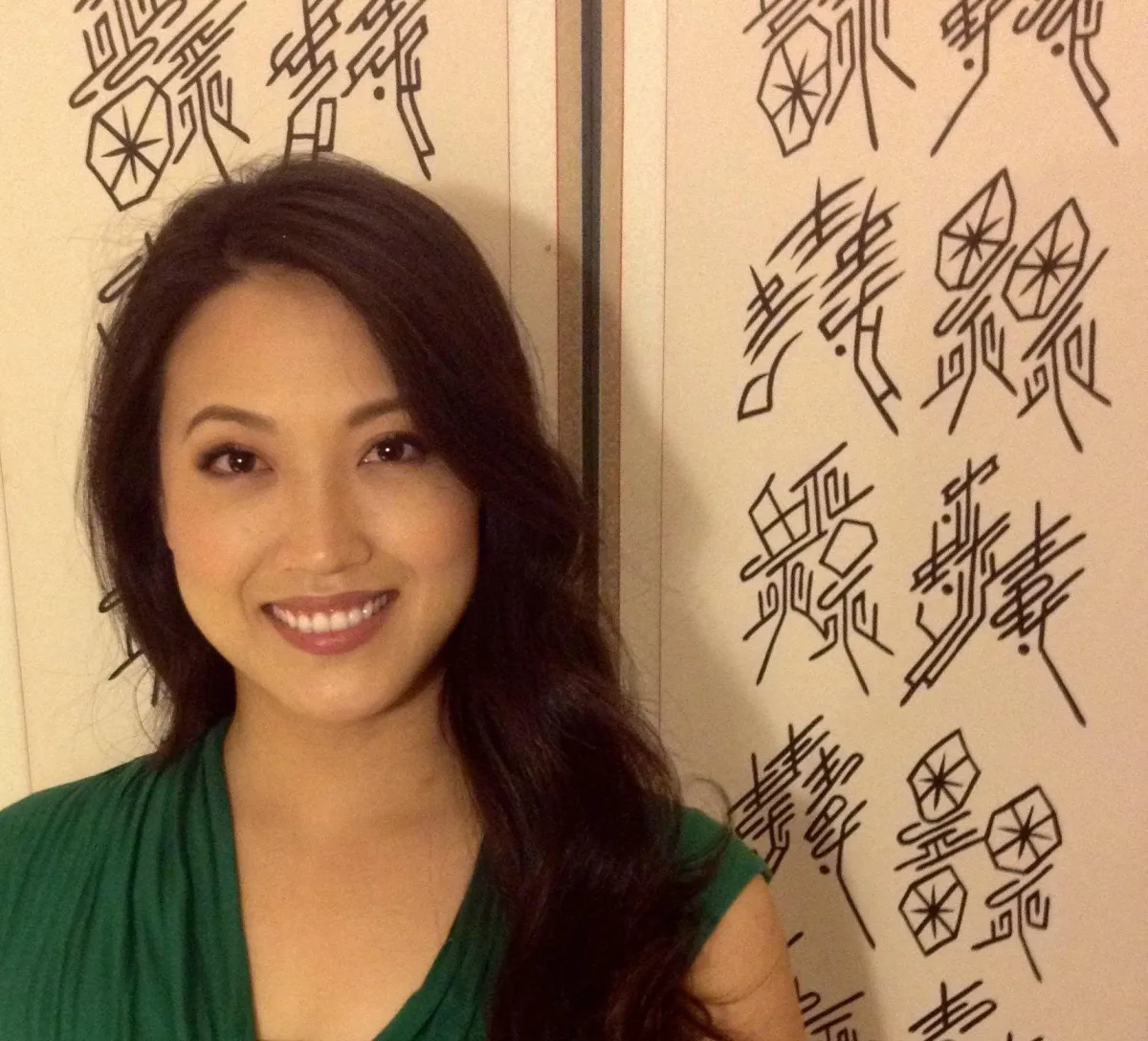
Dr. Sarai Koo is inimitable and a "force to be reckoned."
WELCOME

Actress
Sarai is an actress, writer, producer, and director. Although she does not dedicate all her time to the industry, she occasionally appears in commercials, interviews, TV shows and movies
Leader
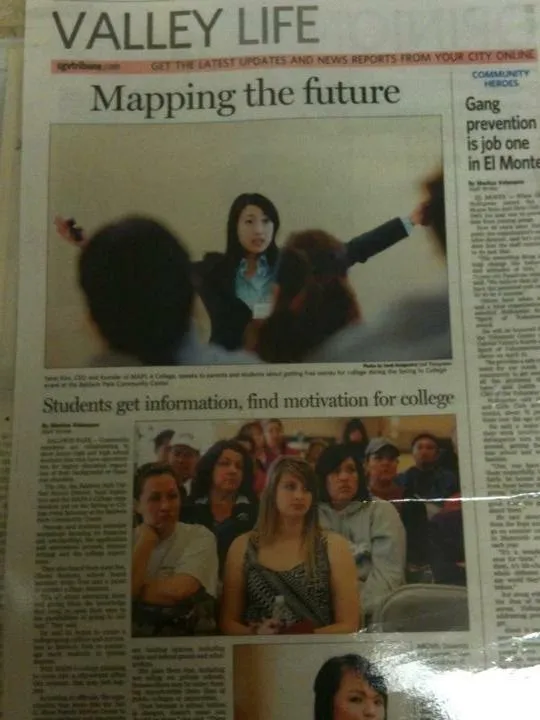
Dr. Sarai Koo has appeared in local, national and global media due to her professional background.

Author and Reseacher
Dr. Sarai Koo is dedicated to making significant impact. Witness her influence on individuals, companies, and cities. through her publications. Explore the breadth and depth of her contributions.
As Seen On

















small ripples can have a big impact
WHY US

Real Impact
We create meaningful, transformative impacts in people's lives. We focus on changing people from within.

Lasting Change
When some training programs offer only temporary outcomes, our work delivers lasting, sustainable change.

Realistic Challenge
Change is inevitable. When we challenge people, we ensure that it is both demanding and achievable.

Effective Leadership Development
As global leadership facilitators with real C-Suite experience, we possess the insights needed to help leaders at all levels be effective and create a lasting impact.

Powerful Messaging
We seamlessly integrate diverse disciplines and evidence-based messages, creating a powerful delivery that genuinely drives significant impact..

Effective Coaching Modalities
Opting for a single coaching approach is limiting. At Project SPICES, we offer a transformative combination that a brings the most impact.
ABOUT US
We a Problem-Solvers Who Make an Impact.
Dr. Sarai Koo is a dynamic speaker, coach, advisor, entrepreneur, and consultant who has impacted thousands of lives from the inside out.
If you are looking to enhance your life and improve your company culture with humor, power, and charm, connect with Project SPICES.
"WHAT ARE YOU LIVING FOR"
Podcast in a Car
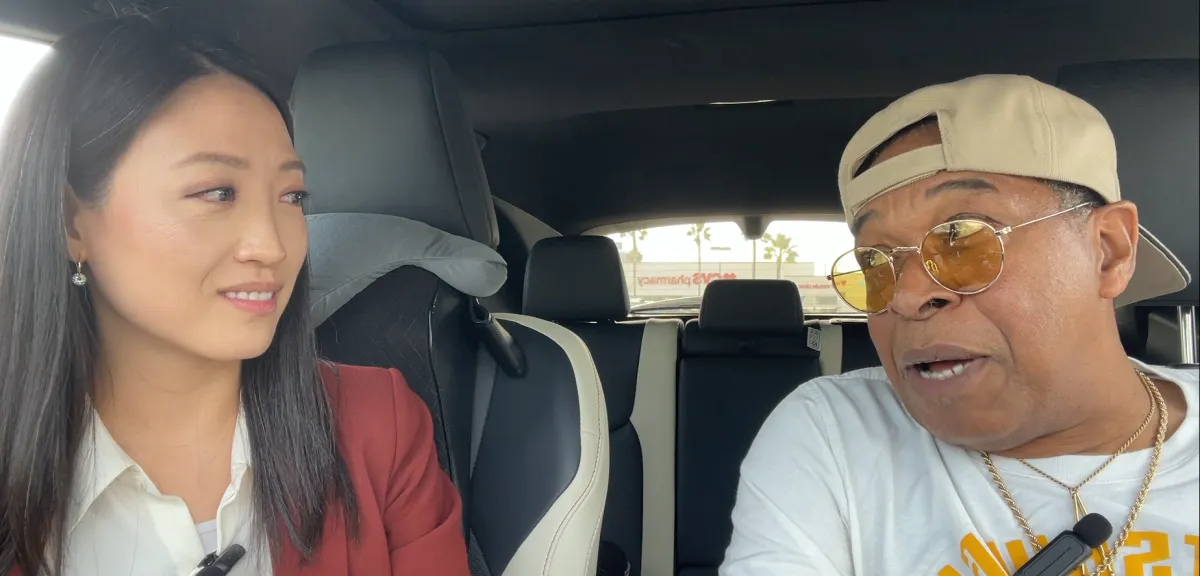
Henry Garner Jr.
Drummer, Rose Royce
Henry has played the drums with Rose Royce for 30+ years. He shares who he is, what he is living for and more.

Michael Barrett
Content/Joyful with Stage 4 Cancer
Michael shares his life story and how his life became transformed. He is content and joyful despite having stage 4 cancer right now. He says he is blessed.
College Process Expert
Interview Directors of Admission
Dr. Koo interviewed Rick Shaw, Dean of Admission and Financial Aid, Stanford University

The world we see

Dr. Koo interviewed Deans of Admission from Brown University, Stanford University, and more
Global Leader & Facilitator
Always in Delivering the Best
Using our integrated approach, Dynamic Interplay™, we ensure that our
content is the best and profoundly impactful, leading to life-changing
transformations.
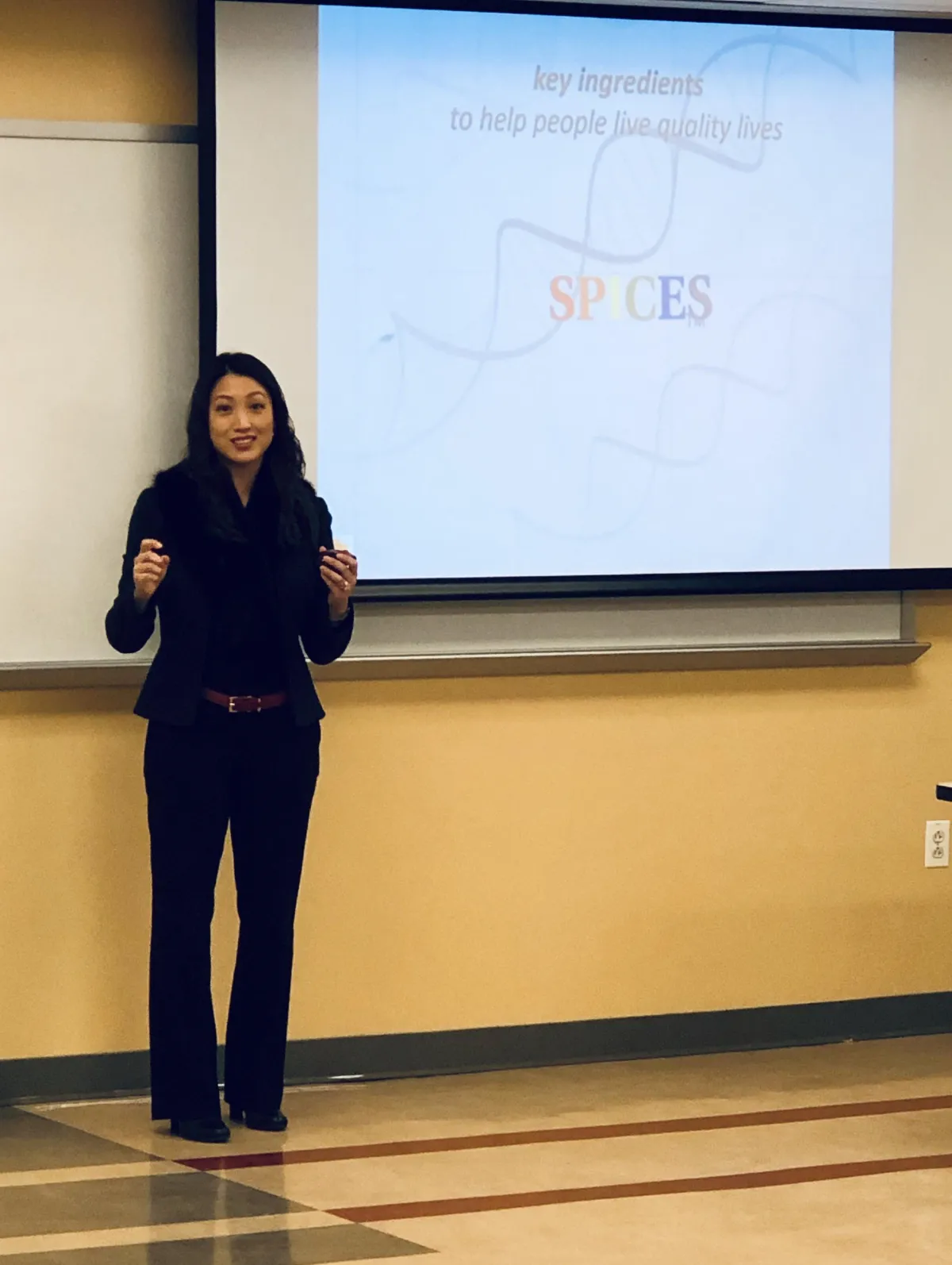
Powerful Art and Science of Delivery

Training does not have to be boring and superficial. We specialize in crafting messages that are impactful and humorous, while delving dep into the core of people's souls and spirits.

WE ARE ALL UNIQUE
OUR GALLERY
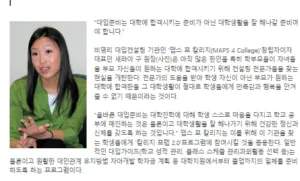
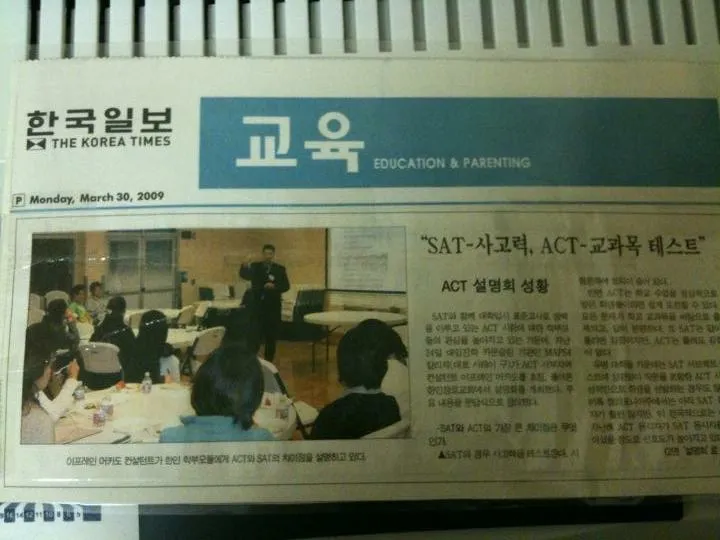
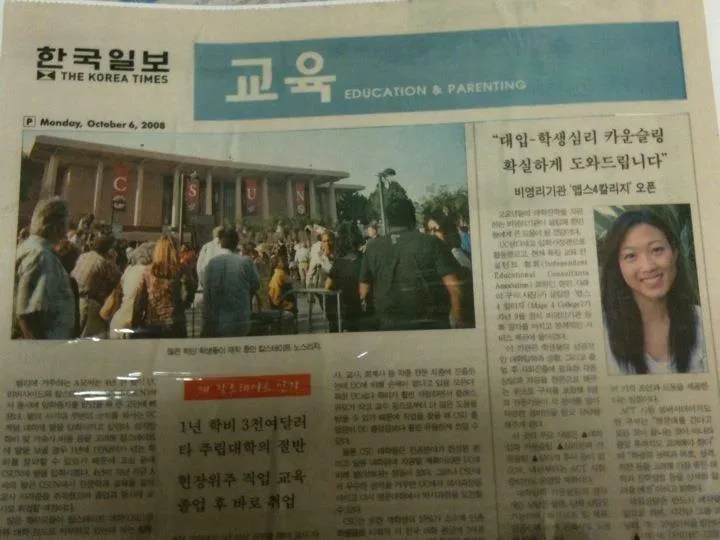
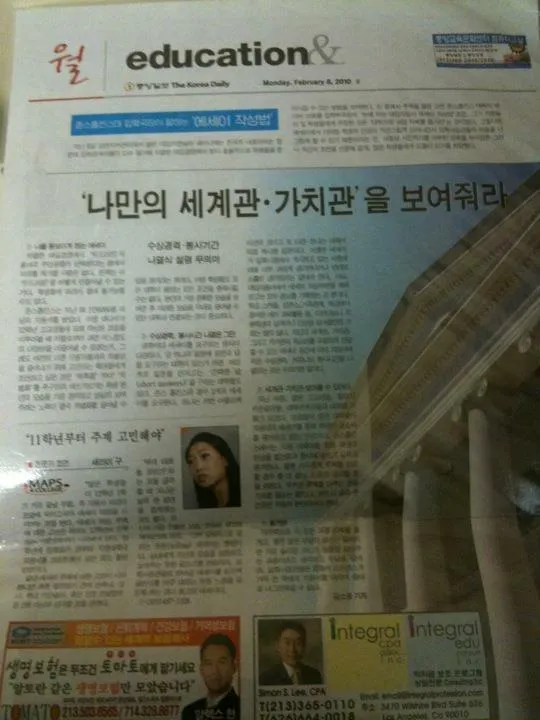
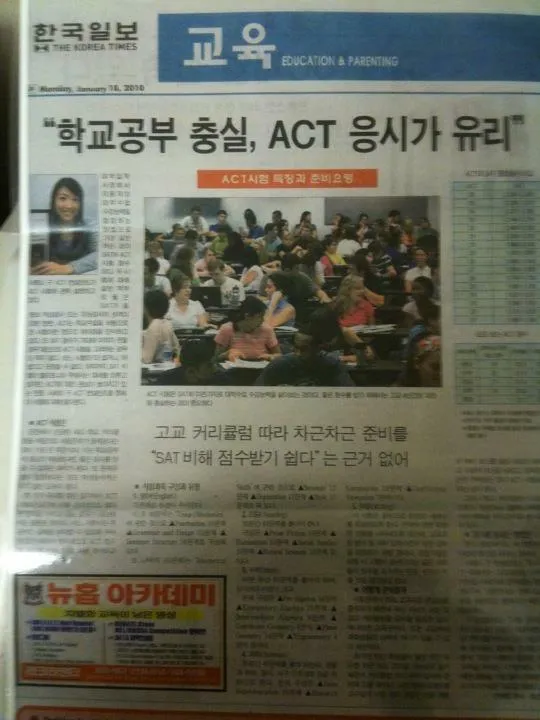
Appeared in the Korea Times multiple times
Dr. Koo shares her non-fiction book Seoul Food and expert information about the college admissions process
Appeared on Faith, Power, and Influence, Channel 668
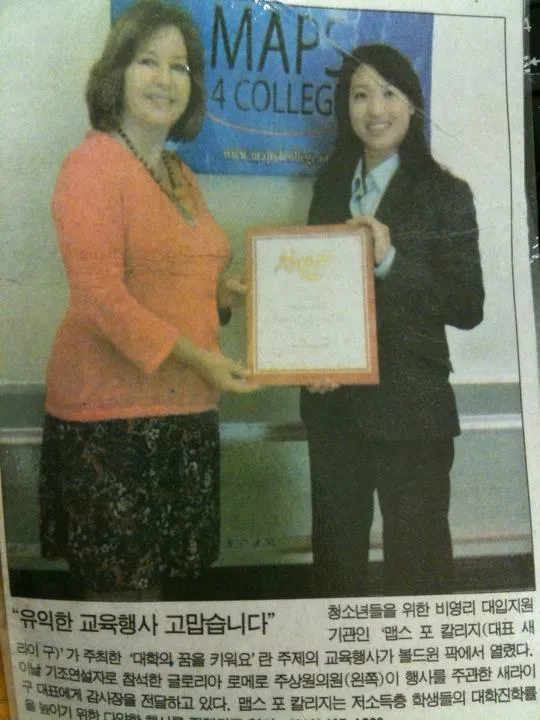
Dr. Koo shares her experience as the CEO and Founder of MAPS 4 College

Appeared on Halo Halo, Channel 13
The largest entertainment and lifestyle television show for Asian/Asian Pacific Americans
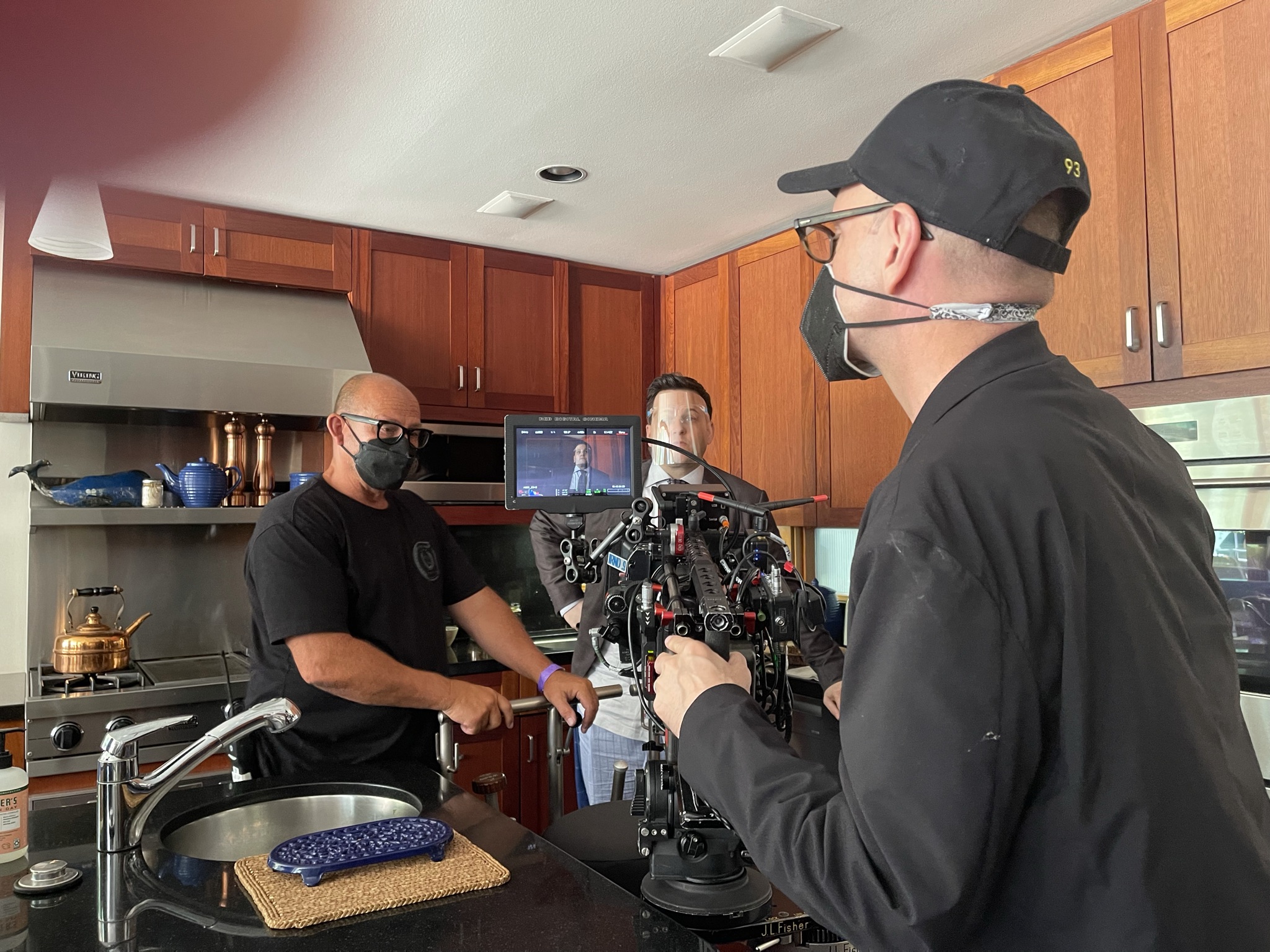
Appeared on Director Steven Soderbergh's movie, Kimi

Former CEO Dr. Koo hosted the 3rd Annual College Fair

Sarai stars as Jenny Chu in the short film Mandarins
Appeared in the Korea Daily multiple times, mostly on the front page
Dr. Koo was a DJ on Where People Make a Difference Radio Station (nominated #1 radio station in America, intercollegiate)
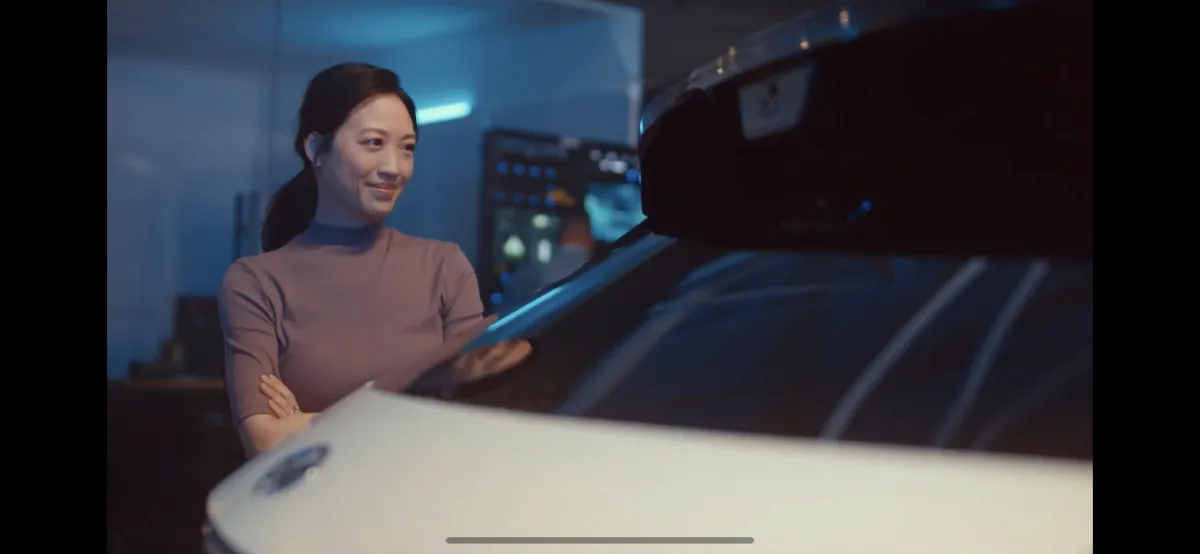
Dr. Koo as the engineer who created the Hyundai Robotaxi (global commericals)
Making Ripples that Last

Seoul Food

Speaking Engagements
Dr. Sarai Koo has been on various stages.

Entertainment Projects
IMDb

Mandarins
Best Dramatic Short at the 2023 New Hampshire Film Festival
Dr. Sarai Koo plays Jenny Chu.
This film is about an emotional and compulsive black sheep Olivia Chu who reunites with her estranged family by crashing her mother's funeral. Determined to say something but ill-prepared, Olivia unintentionally delivers an offbeat eulogy that sends her two dutiful older siblings, Jenny and Michael, scrambling to save face in front of friends and family. Competing eulogies ensue, painting a larger picture of each of the siblings in relationship to each other and the complex woman they've come together to honor that day.

Sarai as Jessica Hasling
Sarai appeared on Kimi, directed by Steven Soderbergh, as Jessica Hasling.

Hyundai Global Commercials
Dr. Koo is featured as the Dr./Scientist who created the Hyundai Robotaxi.
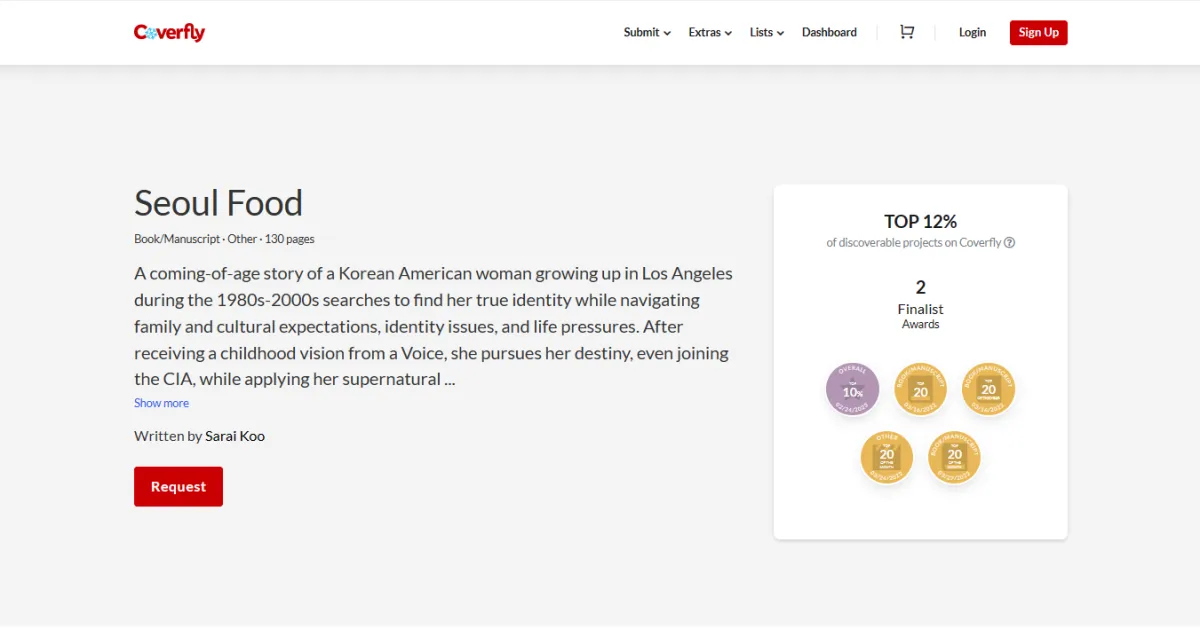
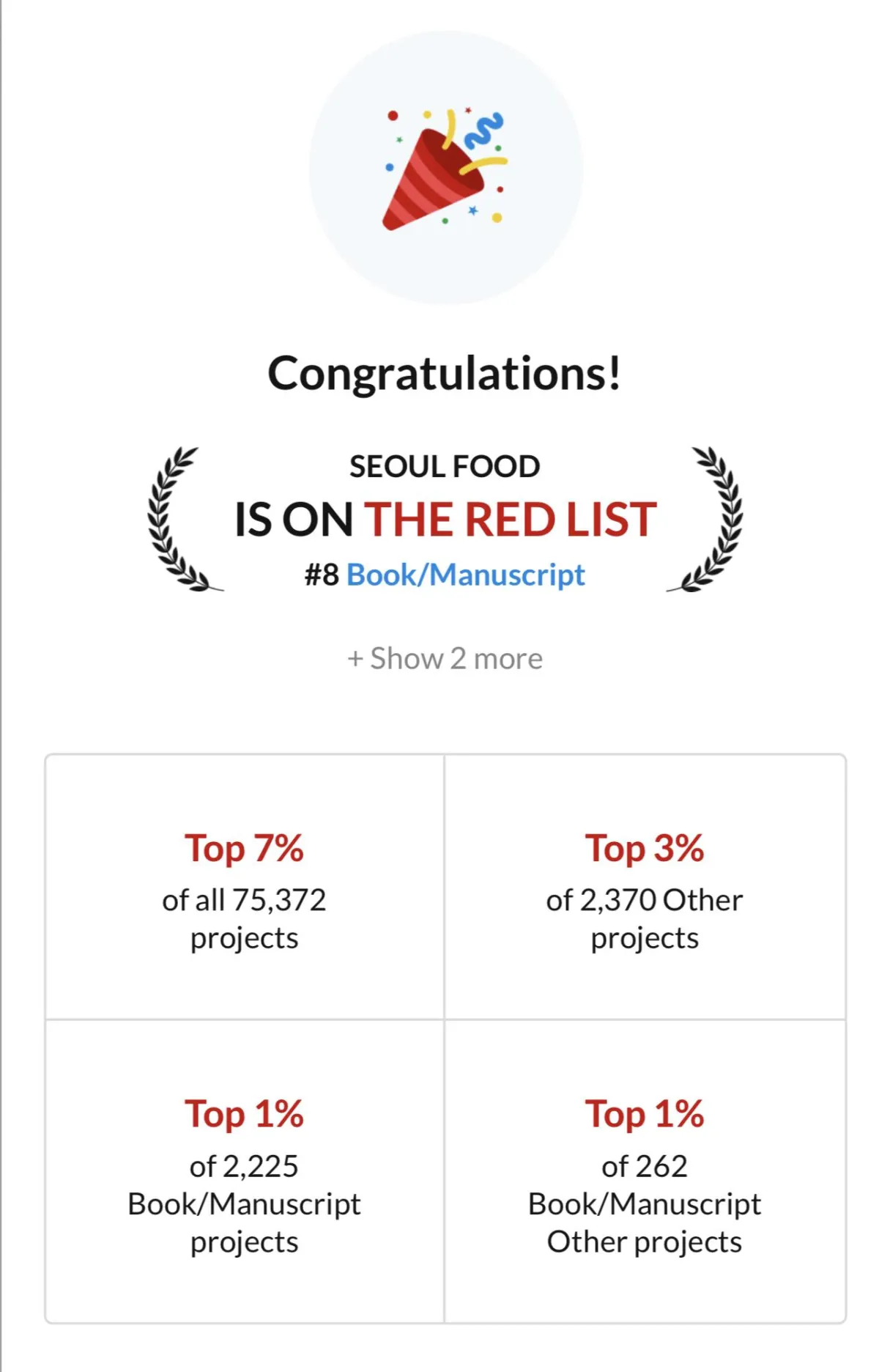
Top 10, Launch Pad Prose Competition 5th Annual
Quarterfinalist, ScreenCraft Cinematic Book Competition 2022
International/National Article Appearances
맘 속 가시 없애야 행복해져
Gather valuable information on choosing schools and scholarships
학교공부 충실, ACT 응시가 유리
Diligent school studies, advantageous to take the ACT
대학, 입학 후 수업 따라가기 쉽지 않네
In college, it's not easy to keep up with classes after admission
학교선택·장학금 등 알찬정보 건진다
Gather valuable information on choosing schools and scholarships

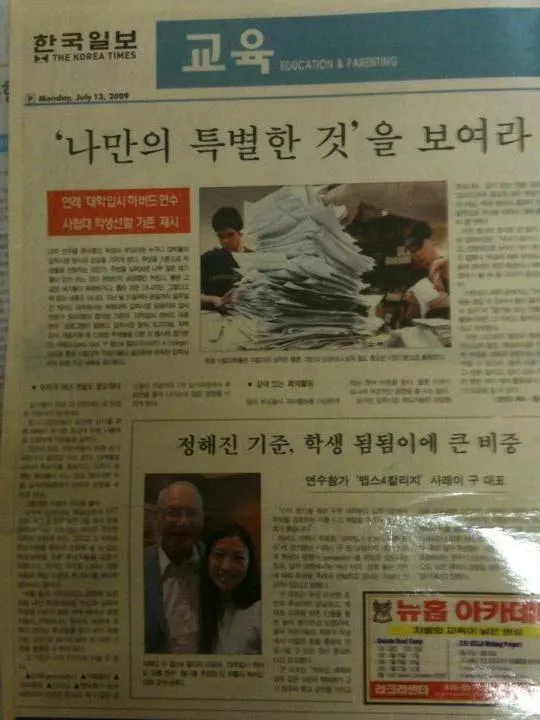
Dr. Koo and Dean Whitla (Harvard)
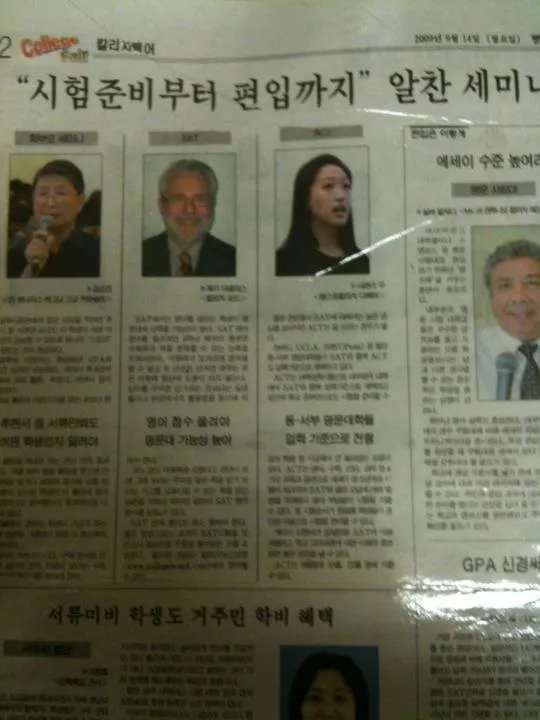
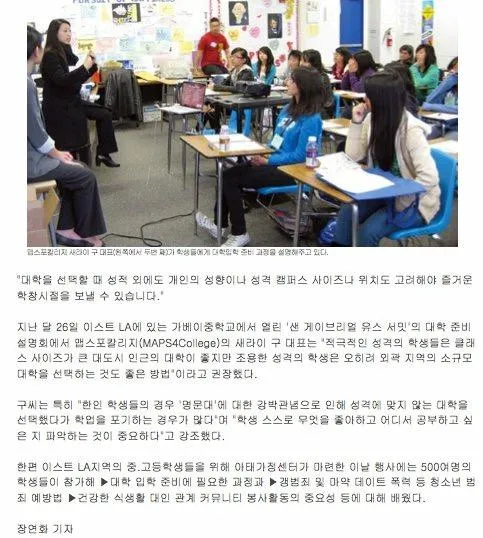
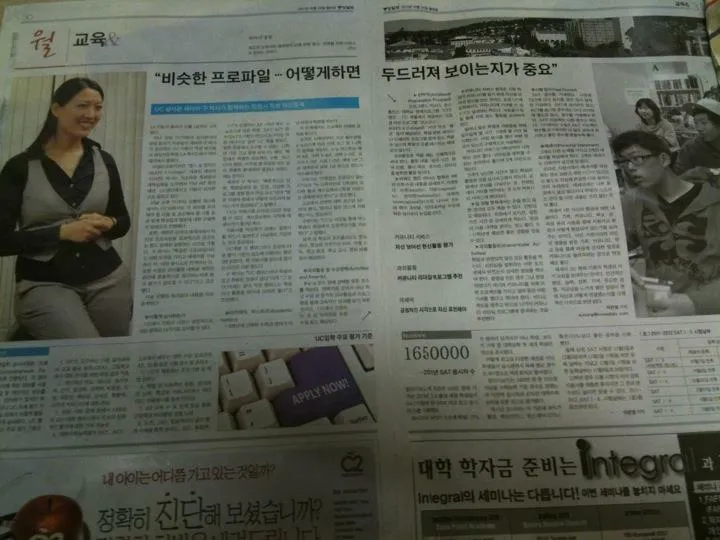
학교선택·장학금 등 알찬정보 건진다
Gather valuable information on choosing schools and scholarships

Radio Seoul Interview
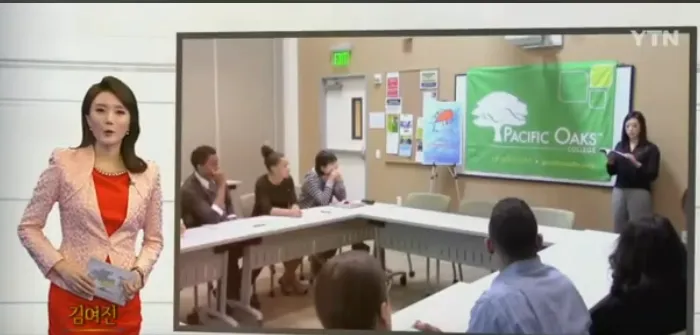
YTN Global News
"I am Bibimbap"
Blogs and Article
When the Body Stops Cooperating
Many high-functioning leaders are trained to trust their thinking. Many high-functioning leaders are trained to trust their thinking and often assume their emotional responses are accurate in the moment. They rely on their ability to analyze, make decisions, and adapt quickly as conditions change.
Under pressure, their instinctive thinking becomes even stronger, and the natural response is to think harder to regain clarity. What often goes unnoticed is that the body has already shifted before that effort begins.
The Body as a Silent Regulator
Long before conscious thought organizes a response, the body is already regulating attention, energy, and emotional tone.
Research in neuroscience and psychophysiology consistently shows that changes in heart rate variability, breathing patterns, and muscle tension directly influence cognitive performance and decision making. These shifts do not wait for awareness. They shape what feels accessible in real time.
As pressure increases, breathing often becomes shallower, muscle tension builds, and the nervous system becomes more activated. This activation is not random. (You can observe this directly the next time pressure rises.)
It is an adaptive response that prioritizes immediate safety and efficiency. In that state, attention narrows, scanning becomes more selective, and the range of perceived options decreases.
When the body is overloaded, thinking becomes narrower. Clarity feels harder to access.
Why This Is Often Misunderstood
Clarity then becomes harder to access. It may become frustrating.
Most people assume something is wrong with their thinking. They question their judgment, reconsider their decisions, and attempt to compensate by putting in more effort. The mind begins to loop in an attempt to regain control.
In practice, the system is not failing. In reality, the system is protecting itself.
Cognitive science describes this as attentional narrowing under stress.
The brain prioritizes speed and efficiency over breadth and flexibility. This is useful in immediate threat environments. It is less helpful for complex leadership decisions that require perspective, nuance, and relational awareness.
It is less helpful for complex leadership decisions.
When the Body Carries the Load
Over time, high-functioning individuals often learn to override early signals from the body. It’s as if you tell yourself to keep going. Fatigue is pushed aside, tension is ignored, and recovery is delayed.
The system continues to perform, although the cost accumulates beneath the surface. . . and at what cost?
As physiological load increases, the body begins to carry more of the strain that the system has not redistributed. Thinking becomes more effortful, emotional responses become less regulated (we call this irritability or another word), and flexibility decreases. These shifts are rarely sudden. They develop gradually until the body can no longer compensate in the same way.
At that point, people often describe the experience as feeling off, depleted, or less sharp than usual. In reality, the system has been compensating for longer than it can sustain.
Integration Requires the Body
This is why integration cannot be achieved through insight alone.
This is not a matter of pushing harder or knowing more about this “insight.” It is a matter of restoring the conditions that allow the system to function coherently.
A system that is physiologically strained cannot reliably access clarity, regardless of how well someone understands their patterns. Some people call this feeling 'numb' or 'blank'.
When the body returns to a more regulated state, attention broadens, processing becomes more flexible, and clarity begins to return without force.
This is not a matter of pushing harder. It is a matter of restoring the conditions that allow the system to function coherently.
Another Domain of Integration
Within the Project SPICES™ framework, the body represents a critical integration domain. It reflects how physiological state influences access to thought, emotion, and behavior under pressure.
When this domain is strained, other parts of the system begin to compensate. People increase effort (with increased strain), apply more control, and attempt to think their way through what a state-based limitation is fundamentally. This approach can sustain performance temporarily. It does not restore alignment nor help people in the long run.
When the body is supported and regulation improves, the system begins to realign. Clarity becomes available again, not because it was created, but because access has been restored.
Understanding this pattern changes how leaders respond to pressure. Instead of forcing clarity, they begin by restoring regulations. From there, better thinking, better decisions, and more stable leadership naturally follow.
More soon.
Dr. Sarai Koo
Explore More
To continue exploring leadership, clarity, and integration under pressure, you can follow Dr. Sarai Koo on LinkedIn for insights on leadership under pressure, and watch her content on Dr. Sarai Koo’s YouTube Channel, Instagram, and TikTok for real-world leadership scenarios and practical solutions. You can also subscribe to the LinkedIn Newsletter: Integration Under Pressure for deeper system-level perspectives, and visit Winning Pathway LinkedIn Page and the Leadership Hub Blog to see how regulated, psychologically safe systems translate into measurable outcomes.